


Having the right equipment can make volleyball more comfortable, organized, and enjoyable, whether you are learning the fundamentals, playing recreationally, or competing at a higher level. SCHEELS volleyball gear covers the essentials players may need for training and match day, from footwear and knee pads to volleyballs, athletic apparel, and useful accessories. Choosing equipment based on your position, playing environment, and frequency of use can help you build a practical setup without buying unnecessary items.
For athletes exploring SCHEELS volleyball equipment, the focus should be on fit, movement, protection, durability, and court performance. The right combination of products can support quick lateral movements, repeated jumping, diving, and long practice sessions.
Why SCHEELS Volleyball Gear Matters
Volleyball is a fast-paced sport involving frequent jumps, short sprints, rapid direction changes, and contact with the floor. Players also spend significant time moving laterally and transitioning between defensive and attacking positions.
A well-planned equipment setup can help address these demands.
Essential SCHEELS volleyball gear may include:
- Volleyball shoes
- Knee pads
- Volleyballs
- Athletic apparel
- Socks
- Protective gear
- Training equipment
- Volleyball accessories
- Equipment bags
Not every player needs every item at the same level. Beginners can start with the basics, while competitive athletes may benefit from more specialized equipment.
SCHEELS Volleyball Shoes for Court Movement
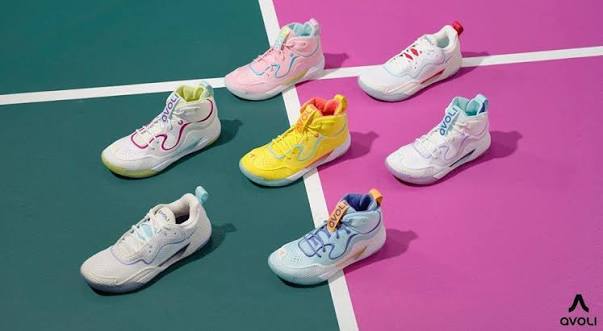
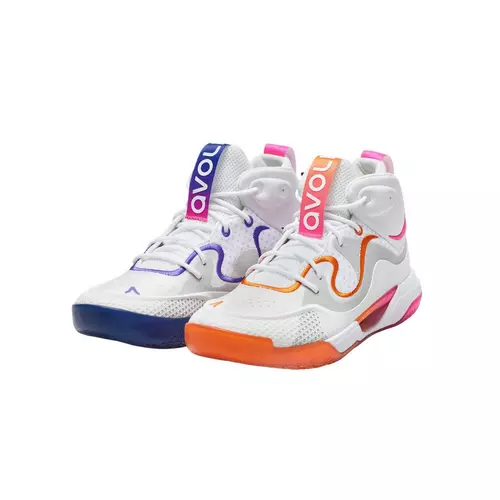
Footwear is one of the most important pieces of volleyball equipment. SCHEELS volleyball shoes should provide a secure fit, reliable traction, and enough cushioning for repeated jumping and landing.
Volleyball courts require frequent lateral movement, so court footwear should help players maintain contact with the playing surface without feeling unnecessarily heavy.
What to Look for in SCHEELS Court Footwear
When comparing SCHEELS court footwear, consider:
- Non-marking outsole
- Reliable indoor traction
- Secure heel fit
- Lateral stability
- Responsive cushioning
- Breathable upper materials
- Comfortable toe box
- Appropriate shoe weight
A good volleyball shoe should feel stable during defensive movements while still allowing quick transitions across the court.
Players who regularly train on indoor hardwood should also avoid using running shoes as their primary volleyball footwear. Running shoes are designed around forward movement, while volleyball requires substantial lateral movement and court-specific traction.
Knee Pads and Protective Gear
Players frequently dive, kneel, and slide while attempting defensive saves. That makes knee pads an important part of volleyball equipment, particularly for defensive players and athletes who spend significant time practicing floor-based movements.
The right knee pad should balance protection and mobility.
Look for:
- Adequate impact padding
- Secure fit
- Flexible construction
- Breathable materials
- Comfortable interior
- Durable outer fabric
Knee pads that are too loose may shift during play, while overly tight pads can become uncomfortable during extended practices.
Choosing the Right Volleyball
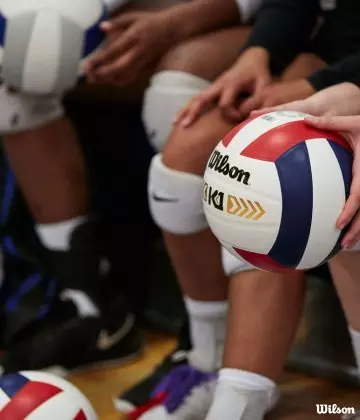
A volleyball is obviously central to the sport, but not every ball is intended for the same environment. Volleyballs can vary according to construction, size, weight, material, and intended use.
For organized competition, players should use the ball specification required by their league or tournament.
For practice and recreational play, consider:
- Indoor or outdoor use
- Ball construction
- Surface material
- Grip
- Durability
- Intended player level
A training ball can be useful for repeated drills, while competitive players should become comfortable using the type of ball they will encounter during matches.
SCHEELS Volleyball Equipment for Training
Practice equipment can help players develop specific skills outside of regular match play. SCHEELS training equipment can be useful for improving movement, reaction time, serving, passing, and jumping ability.
Depending on your training goals, useful equipment may include:
- Training cones
- Agility equipment
- Resistance tools
- Practice volleyballs
- Ball carts
- Targets
- Reaction-training accessories
Training for Different Skills
Different equipment can support different parts of a volleyball session.
For example, agility equipment can be incorporated into footwork drills, while targets can help players work on serving and passing accuracy. Training tools should complement—not replace—fundamental volleyball coaching and technique.
Athletic Apparel for Volleyball Players
Comfortable athletic apparel is another important component of SCHEELS volleyball gear. Volleyball uniforms and training clothes need to allow unrestricted movement during jumping, reaching, diving, and defensive positioning.
Choose clothing based on:
- Breathability
- Moisture management
- Stretch
- Fit
- Durability
- Temperature
- Training intensity
For indoor competitions, lightweight clothing can help players remain comfortable during long matches. Outdoor volleyball requires additional consideration of sunlight, heat, and weather.
Volleyball Accessories Worth Having
Small accessories can make training and match days more convenient. Not every accessory is essential, but some can improve organization and equipment management.
Useful volleyball accessories can include:
- Equipment bags
- Water bottles
- Athletic socks
- Ball pumps
- Replacement needles
- Towels
- Hair accessories
- Sports tape
- Gear organizers
An equipment bag with separate compartments can help keep shoes, clothing, knee pads, and other items organized.
Building SCHEELS Volleyball Gear by Playing Level
The equipment needs of a beginner are different from those of a competitive player.
Beginners
New players can start with the essentials:
- Volleyball shoes
- Knee pads
- Comfortable athletic clothing
- Volleyball
- Water bottle
- Basic equipment bag
There is no need to purchase an extensive collection of training equipment immediately.
Intermediate Players
As players train more frequently, they may want to add specialized accessories and training tools. At this stage, footwear durability and protective equipment can become increasingly important.
Competitive Players
Competitive athletes may need multiple practice items, replacement gear, specialized footwear, and equipment that complies with league requirements.
They should also monitor wear on shoes, knee pads, and volleyballs because frequent training can accelerate equipment deterioration.
How to Choose SCHEELS Volleyball Gear
A simple checklist can help you avoid buying equipment that does not match your needs.
1. Identify Your Playing Environment
Determine whether you primarily play indoor volleyball, beach volleyball, school volleyball, club volleyball, or recreational games.
2. Consider Your Position
A libero or defensive specialist may prioritize knee protection and agility, while front-row players may place greater emphasis on jumping support and cushioning.
3. Check Fit
Footwear, knee pads, and apparel should fit securely without restricting movement.
4. Consider Frequency of Use
Players training several times per week generally need durable equipment designed to withstand repeated use.
5. Prioritize the Essentials
Start with equipment that directly affects comfort, safety, and performance before purchasing optional accessories.
Maintaining Your Volleyball Equipment
Proper care can extend the useful life of SCHEELS volleyball products.
After training:
- Allow shoes to air out.
- Clean dirt from footwear soles.
- Wash apparel according to care instructions.
- Inspect knee pads for worn padding.
- Keep volleyballs properly inflated.
- Store equipment in a dry environment.
- Avoid leaving gear in excessive heat.
Regular inspections are particularly useful for athletes who train multiple times each week.
FAQs About SCHEELS Volleyball Gear
What equipment does a volleyball player need?
The basic setup usually includes volleyball shoes, knee pads, comfortable athletic apparel, a volleyball, and a suitable equipment bag.
Are SCHEELS volleyball shoes suitable for indoor courts?
Yes, appropriate volleyball footwear is designed for indoor court movement and should provide traction, stability, and cushioning suitable for volleyball.
Why are knee pads important in volleyball?
Knee pads help provide cushioning during dives, kneeling, and defensive movements. They can be especially useful for players who frequently make floor contact.
What should I look for in SCHEELS volleyball equipment?
Focus on fit, durability, comfort, court compatibility, protection, and the specific requirements of your playing level.
Do beginners need specialized volleyball training equipment?
Not necessarily. Beginners can start with basic equipment and add training accessories as their skills and training frequency develop.
How often should volleyball shoes be replaced?
There is no universal replacement schedule. Replace them when traction, cushioning, stability, or structural condition has noticeably deteriorated.
Conclusion: Build the Right SCHEELS Volleyball Gear Setup
The right SCHEELS volleyball gear can help players feel more comfortable and prepared during practices, matches, and training sessions. Volleyball shoes provide court-specific traction and stability, knee pads add protection during defensive play, while suitable volleyballs, athletic apparel, and accessories complete the setup.
Whether you are a beginner, school athlete, club player, or experienced competitor, choose SCHEELS volleyball equipment according to your playing environment, position, frequency of use, and personal fit. Start with the essentials and gradually add specialized SCHEELS volleyball products as your needs evolve.
Ready to upgrade your volleyball setup? Explore SCHEELS volleyball gear and find the footwear, protective equipment, apparel, and accessories you need for your next session on the court.