


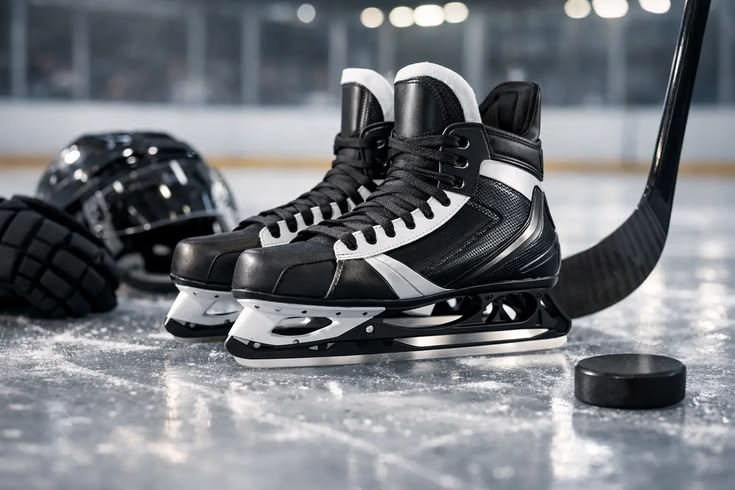
Choosing the right pair of hockey skates can have a major impact on comfort, balance, speed, and confidence on the ice. Whether you are buying your first pair of SCHEELS hockey skates, upgrading after a season, or helping a young player find the right equipment, fit should be one of the first things to consider. Hockey skates are designed differently from everyday ice skates, and factors such as foot shape, playing level, skate stiffness, blade quality, and sizing all influence performance.
For players shopping through SCHEELS, understanding these factors can make it easier to compare SCHEELS hockey equipment and choose skates suited to individual needs.
Why SCHEELS Hockey Skates Need the Right Fit
A hockey skate should feel secure without creating painful pressure points. Unlike casual footwear, hockey skates are intended to hold the foot firmly so players can transfer energy efficiently when accelerating, turning, stopping, and changing direction.
A skate that is too loose can allow excessive foot movement, reducing control. A skate that is too tight can create discomfort, numbness, or pressure around the toes and ankles.
When evaluating SCHEELS hockey skates, consider:
- Foot length and width
- Overall foot shape
- Heel lockdown
- Toe positioning
- Skate stiffness
- Player experience
- Skate blade and holder construction
- Frequency of use
Understanding Hockey Skate Sizing
One of the biggest mistakes beginners make is choosing hockey skates based solely on their regular shoe size. Hockey skate sizing can differ from everyday footwear, so players should use the manufacturer’s sizing guidance and, when possible, have their feet professionally measured.
The ideal fit generally provides a secure feel around the heel and midfoot while allowing the toes to sit naturally without being painfully compressed.
What Should the Fit Feel Like?
When trying on ice hockey skates, wear the same type of hockey socks you normally use during play. Lace the skates properly and stand in an athletic position.
Look for these signs:
- The heel should remain firmly positioned.
- The foot should not slide significantly inside the boot.
- The toes may lightly touch the toe box while standing.
- The foot should not experience sharp pressure points.
- The ankle should feel supported without excessive restriction.
Players should also test the skates while flexing their knees and leaning forward. Hockey skating involves a forward athletic stance, so comfort while standing casually is not enough.
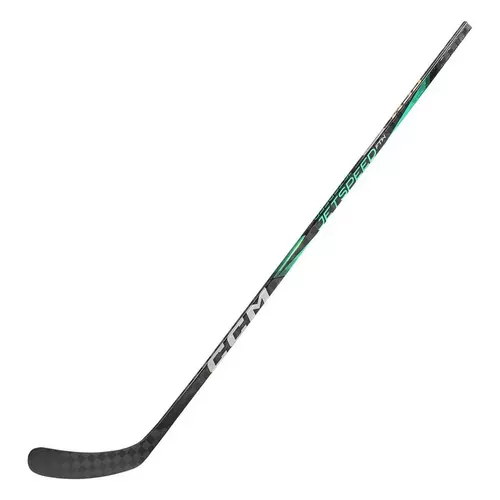
SCHEELS Hockey Skates for Different Players
Not every player needs the same type of skate. Beginners, recreational players, competitive athletes, and younger players can have very different requirements.
Hockey Skates for Beginners
Hockey skates for beginners should prioritize comfort, manageable stiffness, support, and a forgiving fit. A new player does not necessarily need the most advanced or stiffest skate available.
For beginners, consider:
- Comfortable boot construction
- Moderate stiffness
- Reliable ankle support
- Durable materials
- Replaceable or serviceable blades
- A fit that does not create pressure points
The goal is to help a new player concentrate on learning skating fundamentals rather than dealing with uncomfortable equipment.
Youth Hockey Skates
Young players require special attention because their feet are still growing. Youth hockey skates should provide appropriate support while remaining comfortable enough for developing players.
Parents should avoid buying skates several sizes too large simply to extend their usable life. Excessive room can affect stability and control.
Instead, look for a properly fitted skate and check the fit regularly as the child grows.
Junior Hockey Skates
Junior hockey skates are designed for developing players who need more support and performance than entry-level youth models. At this stage, players may begin skating more aggressively and participating in more structured practices and games.
Important considerations include:
- Foot shape
- Boot stiffness
- Weight
- Blade quality
- Ankle support
- Playing frequency
Senior Hockey Skates
Senior hockey skates are generally designed for older and larger players. Competitive players may require more advanced construction, stronger support, and a stiffness level appropriate for their skating style.
However, more expensive does not automatically mean better. The right skate is the one that matches the player’s foot, ability, and playing demands.
How Skate Stiffness Affects Performance
Skate stiffness is another important factor when comparing SCHEELS hockey skates. A stiffer boot can provide stronger support and energy transfer, but it may not be ideal for every player.
A highly experienced or powerful skater may appreciate a responsive, supportive boot. A beginner may find an excessively stiff skate uncomfortable and difficult to flex.
Consider the relationship between playing level and stiffness:
- Beginners: Moderate support can make learning more comfortable.
- Recreational players: Balanced stiffness can provide comfort and stability.
- Intermediate players: More responsive construction may support developing skating skills.
- Advanced players: Stiffer performance skates may improve responsiveness and energy transfer.
The key is finding enough support without making the boot unnecessarily restrictive.
Hockey Skate Blades Matter Too
The boot is only one part of the skate. Hockey skate blades are essential for grip, turning, stopping, and acceleration.
Most hockey skates use a holder-and-runner system that allows the blade to be sharpened and, on compatible models, replaced. Regular sharpening is important because dull blades can affect control and skating confidence.
Players should pay attention to:
- Blade condition
- Blade sharpness
- Runner compatibility
- Holder condition
- Signs of rust or damage
- Professional sharpening requirements
A good skate with poorly maintained blades may not perform as expected.
Bauer Skates vs. CCM Skates
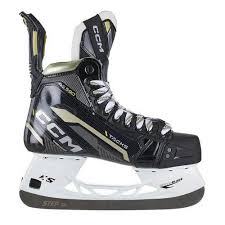
Two major names players may encounter when browsing SCHEELS hockey equipment are Bauer skates and CCM skates. Both offer hockey skate options across different player levels and foot shapes.
Rather than choosing based only on brand recognition, compare the actual fit and construction.
When comparing Bauer skates and CCM skates, consider:
- Which brand’s boot shape better matches your foot
- Available width and fit profiles
- Desired stiffness
- Blade and holder system
- Comfort during the skating stance
- Your experience level
- Intended frequency of play
A skate that fits your foot correctly is generally a better choice than a popular model that does not match your foot shape.
How to Break In New Hockey Skates
New hockey skates can feel different from the start because the boot materials need time to conform to the player’s foot. Players should gradually become accustomed to new skates rather than assuming they will immediately feel identical to an older pair.
A practical break-in approach includes:
- Wear appropriate hockey socks.
- Lace the skates correctly without overtightening.
- Spend short periods becoming accustomed to the boots.
- Skate at a comfortable pace initially.
- Pay attention to persistent pressure points.
- Seek professional fitting assistance if discomfort continues.
Some skate models can also be professionally heat-molded. This should be done according to the manufacturer’s recommendations and by an experienced professional.
FAQs About SCHEELS Hockey Skates
What should I look for in SCHEELS hockey skates?
Look for the correct length and width, secure heel lockdown, suitable stiffness, comfortable ankle support, and blades appropriate for your playing needs.
Are hockey skates the same size as regular shoes?
Not necessarily. Hockey skate sizing can differ from everyday footwear. Use the manufacturer’s sizing recommendations and professional fitting when available.
What are the best hockey skates for beginners?
The best hockey skates for beginners should provide comfortable support, manageable stiffness, good ankle stability, and a secure fit without excessive pressure.
How often should hockey skate blades be sharpened?
Sharpening frequency depends on how often you skate, ice conditions, skating style, and blade condition. Players who skate frequently generally need more regular maintenance.
Are Bauer skates better than CCM skates?
Neither brand is universally better. Bauer skates and CCM skates have different fit profiles and construction options. The better choice is the model that fits your foot and supports your skating style.
Final Thoughts on SCHEELS Hockey Skates
Finding the right SCHEELS hockey skates is ultimately about matching the skate to the player. Foot shape, sizing, stiffness, playing level, comfort, and blade maintenance all contribute to a better skating experience.
Whether you are shopping for youth hockey skates, junior hockey skates, senior hockey skates, or your first pair of ice hockey skates, take time to compare the fit instead of focusing only on brand or price. Bauer and CCM both offer options worth considering, but personal fit should remain the deciding factor.
Ready to upgrade your setup? Explore SCHEELS hockey skates and hockey equipment to find a pair that delivers the support, comfort, and control you need on the ice.