


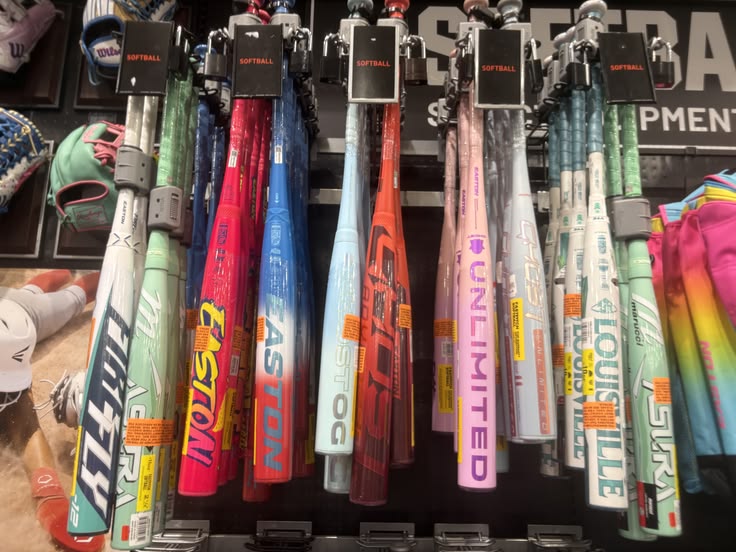
Choosing the right bat can influence swing speed, control, contact quality, and overall confidence at the plate. When comparing SCHEELS softball bats, players need to consider more than appearance or brand. Fastpitch and slowpitch softball use different bat designs, and factors such as bat size, weight, material, certification, and league rules can determine whether a model is suitable for play.
Whether you are shopping for youth softball, competitive fastpitch, recreational slowpitch, or adult league play, understanding these differences can make your purchase much easier. This softball bat buying guide explains the major factors to compare when exploring SCHEELS softball equipment.
SCHEELS Softball Bats: Fastpitch vs. Slowpitch
The biggest distinction is the type of softball being played. Fastpitch softball bats are generally designed for quicker swings and the demands of pitchers throwing at higher velocities. Slowpitch softball bats, meanwhile, are typically built around the swing characteristics and rules of slowpitch leagues.
Although both categories are used to hit a softball, their construction and performance characteristics can differ significantly.
| Feature | Fastpitch | Slowpitch |
|---|---|---|
| Swing style | Quick and compact | Longer, powerful swing |
| Typical bat length | Around 30–34 inches | Often around 32–34 inches |
| Common drop | Frequently -8 to -13 | Often -5 or -3 depending on league |
| Main focus | Speed and control | Power and distance |
| Common materials | Composite and aluminum | Composite, aluminum and alloy constructions |
| Certification | League dependent | League dependent |
Exact requirements vary by age group, association, and competition, so players should always check their league’s current equipment rules before purchasing.
Choosing SCHEELS Softball Bats by Bat Type
Fastpitch Softball Bats
Fastpitch softball bats are often designed to be lightweight and balanced to help players generate bat speed. Younger players especially benefit from a manageable bat that allows them to maintain control throughout the swing.
When choosing a fastpitch model, consider:
- Player height and weight
- Bat length
- Drop weight
- Swing speed
- Balanced versus end-loaded construction
- League certification
- Player experience
A lighter bat may help a developing player improve swing speed, while experienced hitters may prefer a model with a different balance profile.
Slowpitch Softball Bats
Slowpitch softball bats are generally designed around a slower pitching environment where hitters can use a longer swing and focus heavily on power and ball carry.
When comparing slowpitch models, pay attention to:
- Overall bat weight
- Barrel size
- End-loaded versus balanced design
- Construction material
- League certification
- Intended level of play
The right model depends heavily on the player’s swing mechanics and the rules of the league.
Understanding Bat Size
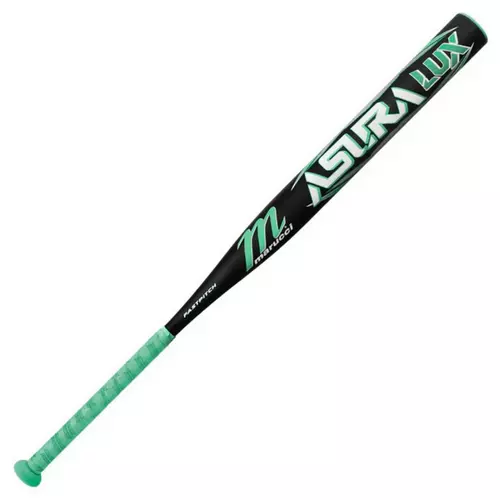
Bat size is one of the most important considerations when comparing SCHEELS softball bats. A bat that is too heavy can slow down the swing and make it harder to control the barrel. A bat that is too light may feel easy to swing but may not provide the preferred power or balance.
For younger players, the ideal bat should allow them to maintain control while completing a full swing.
What Is Drop Weight?
Drop weight is calculated by subtracting the bat’s weight in ounces from its length in inches.
For example, a 32-inch bat weighing 22 ounces has a drop of -10.
A larger negative number generally indicates a lighter bat relative to its length. Fastpitch players often encounter a wider range of drop weights, while slowpitch bats are frequently heavier.
Always use the bat specifications and league requirements applicable to the player’s age and competition.
Composite Bats vs. Aluminum Bats
Material can significantly affect the feel and performance of a softball bat.
Composite Bats
Composite bats are constructed using engineered materials, often in layered designs. They can offer a distinctive feel and may provide a large sweet spot depending on the model.
Potential advantages include:
- Comfortable feel on contact
- Various balance profiles
- Reduced vibration on some models
- Multiple construction options
- Strong performance potential
However, composite bats may have specific break-in requirements and temperature restrictions depending on the manufacturer.
Aluminum Bats
Aluminum bats and other alloy constructions are popular because they can provide durability and a consistent response.
They may be particularly useful for players who want:
- Immediate usable performance
- Durable construction
- A traditional metallic feel
- Lower maintenance requirements
- Consistent performance
The choice between composite and aluminum ultimately depends on playing level, preferences, budget, and league rules.
Bat Certification: USA Softball vs. USSSA
Certification is critical when purchasing SCHEELS softball bats. A bat that performs well but does not meet the rules of your league may not be approved for competition.
Two certifications players may encounter in the United States include USA Softball bats and USSSA bats.
USA Softball Bats
USA Softball has equipment standards used by participating leagues and organizations. Players should look for the required certification mark when their competition operates under USA Softball rules.
USSSA Bats
USSSA has its own equipment standards and certification requirements. A bat approved under one association’s rules is not automatically approved for every other league.
Before purchasing, check:
- Your league or tournament association
- Required certification mark
- Age-group rules
- Bat construction restrictions
- Current equipment regulations
This is one of the most important steps in any softball bat buying guide.
Popular Softball Bat Brands to Compare
When exploring SCHEELS softball equipment, players may come across established manufacturers such as Easton, DeMarini, and Rawlings.
Each brand offers different models aimed at different player types and playing styles.
Easton
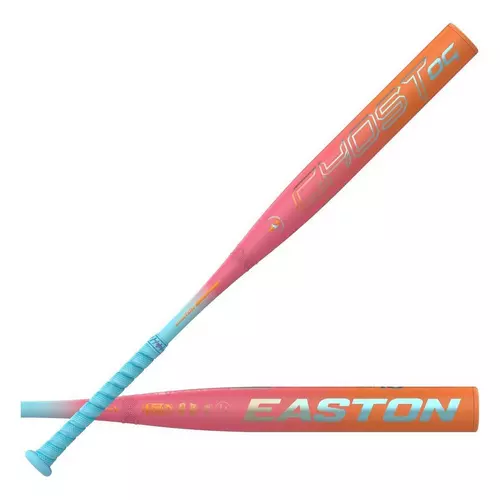
Easton offers softball equipment across youth and competitive categories. Players can compare models based on construction, barrel design, weight, and intended level of play.
DeMarini
DeMarini is well known for performance-focused softball bats. Its lineup includes options designed around different swing profiles and player needs.
Rawlings
Rawlings offers softball bats across multiple levels, making the brand relevant for developing players as well as recreational and competitive athletes.
Rather than choosing a brand solely because it is popular, compare the specifications of individual models.
How to Find the Right SCHEELS Softball Bats
The best bat is not necessarily the most expensive model. It should complement the player’s physical characteristics and swing.
Use this checklist before buying:
- Identify the type of softball: Fastpitch or slowpitch.
- Check league certification: Confirm whether USA Softball, USSSA, or another standard applies.
- Choose the appropriate length: Match the bat to the player’s size and hitting style.
- Evaluate weight: Make sure the player can control the bat comfortably.
- Consider balance: Decide between balanced and end-loaded designs.
- Compare materials: Look at composite and aluminum construction.
- Review league restrictions: Verify that the exact model is approved.
- Consider the player’s experience: Beginners generally benefit from control and manageable weight.
FAQs About SCHEELS Softball Bats
What should I look for in SCHEELS softball bats?
Focus on bat type, length, weight, drop, material, balance, certification, and the player’s age and experience.
Are fastpitch and slowpitch bats different?
Yes. Fastpitch softball bats are generally designed for quicker swings, while slowpitch softball bats are designed around slower pitching and different swing mechanics.
Are composite bats better than aluminum bats?
Neither material is universally better. Composite bats can offer different feel and balance characteristics, while aluminum bats can provide durability and immediate performance.
What are USA Softball bats?
USA Softball bats are models that meet the equipment standards established by USA Softball for applicable leagues and competitions.
Can I use a USSSA bat in every softball league?
No. Certification requirements vary between associations. Always confirm which certification your specific league or tournament accepts.
Final Thoughts on SCHEELS Softball Bats
Choosing the right SCHEELS softball bats starts with understanding how fastpitch and slowpitch equipment differ. From bat size and weight to construction, balance, and certification, each specification can influence how confidently a player swings.
Whether you are comparing fastpitch softball bats, slowpitch softball bats, composite bats, or aluminum bats, always match the bat to the player’s needs and league requirements. Brands such as Easton, DeMarini, and Rawlings provide plenty of options, but the best choice is the model that delivers the right combination of control, comfort, and performance.
Ready to upgrade your softball setup? Explore SCHEELS softball bats and SCHEELS softball equipment to find the right bat for your next game or practice.