


Choosing the right pair of SCHEELS basketball shoes can make a noticeable difference in comfort, stability, traction, and confidence during court play. Basketball involves repeated sprinting, sudden stops, lateral movement, jumping, and quick changes of direction, so ordinary athletic shoes may not provide the support required for these movements. The right basketball shoes should balance court grip, cushioning, fit, and stability according to the player’s position, playing style, and level of activity.
For athletes exploring SCHEELS basketball footwear, the goal should not simply be finding a popular-looking shoe. Instead, consider how the shoe performs on the type of court you use and whether its construction supports your individual movement patterns.
Why SCHEELS Basketball Shoes Need the Right Fit
Basketball shoes are designed around the demands of the sport. A player may repeatedly accelerate, stop, jump, land, and move laterally within a single game. That means fit and stability are just as important as appearance.
A properly fitted shoe should keep the foot secure without creating uncomfortable pressure. Excess movement inside the shoe can reduce stability, while an excessively tight fit may cause discomfort during longer practices.
When comparing SCHEELS basketball shoes, consider:
- Foot length and width
- Overall shoe fit
- Court traction
- Cushioning
- Ankle and heel support
- Midsole responsiveness
- Outsole construction
- Playing environment
A good fit should feel secure around the heel and midfoot while leaving enough room for natural toe movement.
SCHEELS Basketball Shoes for Indoor Court Play
Most traditional basketball games and practices take place on indoor hardwood courts. Indoor court shoes should provide reliable grip without compromising comfortable movement.
The outsole is particularly important because basketball players rely heavily on traction when accelerating and changing direction.
Understanding Basketball Traction
Basketball traction depends on factors such as rubber compound, tread pattern, outsole design, and court conditions.
A well-designed outsole can help players maintain contact with the floor during:
- Quick lateral movements
- Defensive slides
- Sudden stops
- Explosive starts
- Jump approaches
- Direction changes
Indoor courts can accumulate dust, which may affect grip. Even a high-quality shoe can lose traction when the outsole becomes dirty, so regular cleaning can help maintain performance.
Cushioning in SCHEELS Basketball Shoes
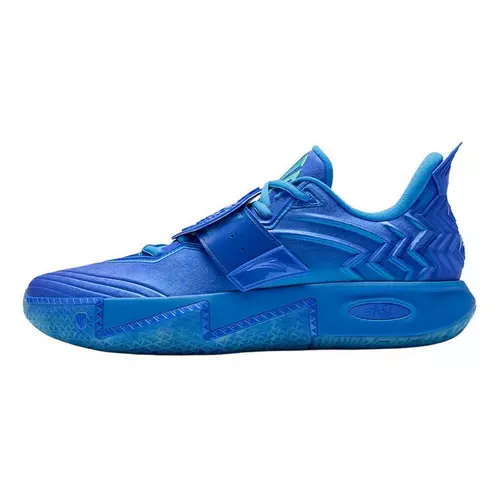
Cushioning helps manage the repeated impact associated with running and jumping. The amount and type of cushioning a player prefers can depend on body size, playing style, position, and personal comfort.
Some players prefer a softer, more impact-focused ride, while others may want a firmer and more responsive feel.
When comparing cushioning, consider:
- Heel impact protection
- Forefoot cushioning
- Midsole responsiveness
- Overall shoe weight
- Court feel
- Repeated-jump comfort
A highly cushioned shoe is not automatically better for every player. The ideal setup should provide enough impact protection while still allowing the athlete to feel connected to the court.
Ankle Support and Stability
Basketball involves frequent lateral movement, making stability an important consideration when selecting SCHEELS basketball footwear.
Ankle support can come from several components rather than simply the height of the shoe. Heel structure, midfoot lockdown, outsole width, and upper construction can all contribute to a secure feel.
High-Top, Mid-Top, or Low-Top?
The choice between high-, mid-, and low-top basketball shoes often comes down to personal preference and playing style.
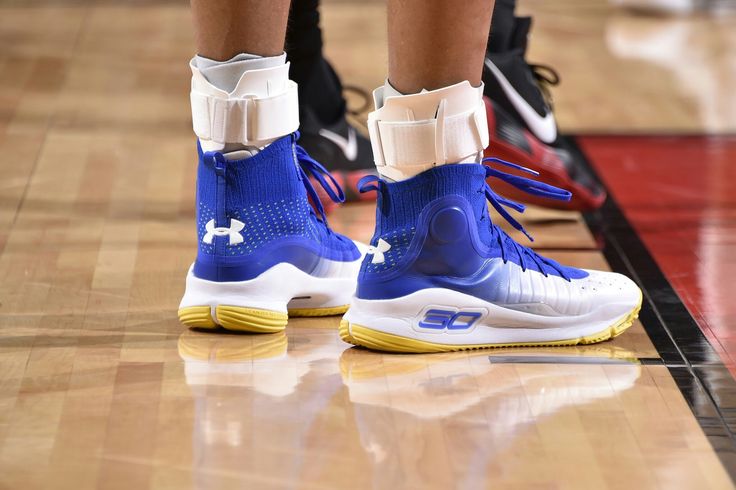
High-top designs provide more material around the ankle and may appeal to players who prefer a more enclosed feel.
Mid-top shoes offer a compromise between mobility and coverage.
Low-top shoes can feel lighter and less restrictive, which may appeal to players who prioritize quick movement.
Rather than selecting a shoe solely because of its height, evaluate its overall stability and how securely it holds your foot.
Choosing Shoes by Playing Style
Different players can have different priorities. A quick guard who changes direction constantly may value lightweight construction and court feel, while a larger player who spends more time near the basket may place greater emphasis on cushioning and stability.
Guards
Guards often perform frequent changes of direction and rapid acceleration.
Useful characteristics may include:
- Lightweight construction
- Responsive cushioning
- Strong court grip
- Secure lateral support
- Flexible forefoot
Forwards
Forwards may need a balance between mobility, cushioning, and stability because their role can involve both perimeter movement and physical play near the basket.
Centers
Centers often experience repeated jumping, landing, and contact around the basket. A stable platform and impact-focused cushioning can therefore be important considerations.
These are general guidelines rather than strict rules. Personal comfort and movement patterns should remain part of the decision.
Youth Basketball Shoes: What Parents Should Consider
Youth basketball shoes require careful attention to sizing because children can grow quickly. However, buying shoes that are significantly oversized is not an ideal solution.
Excess space can allow the foot to move inside the shoe, potentially affecting stability and comfort.
Parents should check:
- Current foot length and width
- Heel lockdown
- Toe room
- Shoe weight
- Traction
- Cushioning
- Playing frequency
For young players who practice several times each week, durability and comfort may be especially important.
How to Find the Right SCHEELS Basketball Shoes
A simple evaluation process can make choosing SCHEELS basketball shoes easier.
Step 1: Identify Your Court
Determine whether you primarily play on indoor hardwood, outdoor courts, or both. Outdoor surfaces can be harsher on rubber outsoles, while indoor courts may require traction patterns optimized for polished floors.
Step 2: Evaluate Your Playing Style
Think about whether your game involves frequent lateral movement, explosive jumping, speed, or physical contact.
Step 3: Prioritize Fit
Try shoes on with the socks you normally use for basketball. Make sure the heel stays secure and your toes are not pressed against the front.
Step 4: Compare Cushioning
Consider whether you prefer a softer ride or a more responsive court feel.
Step 5: Test Stability
Walk, squat, and move laterally if possible. The shoe should feel stable without creating restrictive pressure.
Step 6: Check the Outsole
Inspect the tread pattern and rubber construction, particularly if you play frequently.
Common Basketball Shoe Buying Mistakes
Even experienced players can overlook important details when shopping for basketball shoes.
Avoid:
- Choosing a shoe based only on appearance
- Buying an incorrect size
- Ignoring foot width
- Prioritizing cushioning while overlooking stability
- Using worn-out shoes for frequent competition
- Assuming high-tops automatically provide better support
- Ignoring the court surface
- Buying shoes without considering playing style
The best shoe is the one that fits your needs rather than simply the one with the most features.
FAQs About SCHEELS Basketball Shoes
What should I look for in SCHEELS basketball shoes?
Focus on fit, traction, cushioning, stability, court compatibility, and playing style. The shoe should feel secure without restricting natural movement.
Are basketball shoes suitable for indoor courts?
Yes. Basketball shoes are specifically designed for court movement, although the outsole should be appropriate for the surface. Indoor court shoes should provide reliable grip on hardwood.
How important is basketball traction?
Traction is extremely important because basketball requires sudden stops, lateral movement, acceleration, and direction changes. A suitable outsole can help provide consistent contact with the court.
Do high-top basketball shoes provide better ankle support?
Not necessarily. Ankle support depends on the overall construction of the shoe, including heel lockdown, midfoot support, outsole stability, and upper design.
How should youth basketball shoes fit?
Youth basketball shoes should provide a secure heel and midfoot fit with appropriate toe room. Parents should avoid buying excessively large shoes simply to allow for future growth.
Conclusion: Choose SCHEELS Basketball Shoes for Your Court Needs
The right SCHEELS basketball shoes can help create a comfortable and stable foundation for court play. Instead of choosing solely according to brand, appearance, or price, consider traction, cushioning, ankle support, fit, outsole construction, and the type of court where you play.
Whether you are shopping for everyday basketball shoes, youth basketball shoes, or performance-focused SCHEELS basketball footwear, match the shoe to your movement patterns and playing environment. A secure fit and dependable court grip can make every practice and game more comfortable.
Ready to upgrade your court setup? Explore SCHEELS basketball shoes and find performance footwear designed to match your game.