


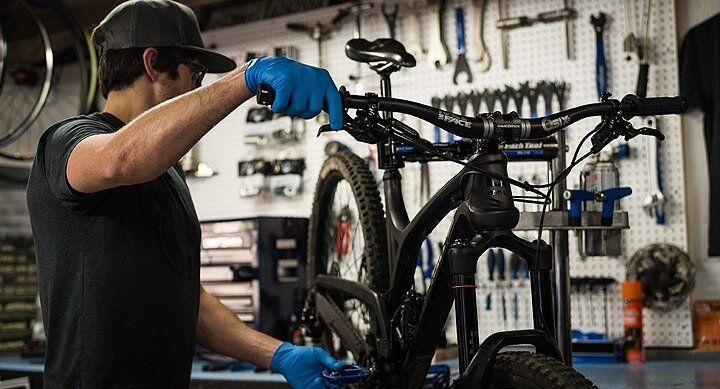
Good bike maintenance is essential if you rely on your bicycle for longer rides, weekend adventures or daily commuting. A bike that feels fine on a short trip can develop problems when you’re riding for several hours, so checking key components before you leave can prevent avoidable breakdowns. From tyre pressure and chain maintenance to brake inspection and essential cycling gear, proper bike preparation helps improve reliability, comfort and safety. These practical bicycle maintenance tips are suitable for everyday riders and cyclists preparing for longer journeys.
For cyclists in the UK, preparation is especially important because commuting conditions can change quickly. Rain, wet roads, potholes, mud and winter grit can all affect bicycle components. A regular maintenance routine can help you identify small problems before they become bigger and more expensive repairs.
Why Is Bike Maintenance Important Before a Long Ride?
Regular bike maintenance isn’t only about keeping a bicycle looking clean. It helps ensure that components such as brakes, tyres, gears and the drivetrain are functioning properly.
A pre-ride check can help identify:
- Under-inflated or damaged tyres
- Worn brake components
- Loose bolts
- Poorly lubricated chains
- Gear-shifting problems
- Damaged cables
- Loose accessories
You don’t need to perform a complete professional service before every commute. Instead, develop a quick inspection routine and schedule a more detailed check at appropriate intervals.
Start Your Bike Preparation With the Tyres
Your tyres are among the most important components to inspect before a longer ride. Correct tire pressure can influence rolling resistance, comfort, grip and the likelihood of pinch flats.
Check the pressure range printed on the tyre sidewall and use a reliable bicycle pump with a suitable gauge. Avoid simply guessing whether the tyre feels firm enough.
Check Your Tyres for:
- Correct pressure
- Cuts or cracks
- Embedded glass or sharp objects
- Excessive tread wear
- Bulges or unusual deformation
- Damage around the valve
For UK commuting, inspect tyres regularly because potholes, broken road surfaces and debris can cause damage that isn’t immediately obvious.
Inspect the Brakes Carefully
A brake inspection should be part of every serious bike preparation routine. Your brakes need to respond predictably, particularly when cycling in traffic or descending hills.
Test both brakes before setting off. The levers should feel firm and should provide controlled braking without excessive movement.
Check whether:
- Brake pads show excessive wear
- Cables appear frayed
- Rotors are visibly damaged
- Brake components are loose
- Braking feels unusually weak
- There are unusual noises or vibrations
If your brakes aren’t performing normally, don’t ignore the problem simply because the bike is still rideable. A qualified bike mechanic can inspect and repair issues that you’re not equipped to handle.
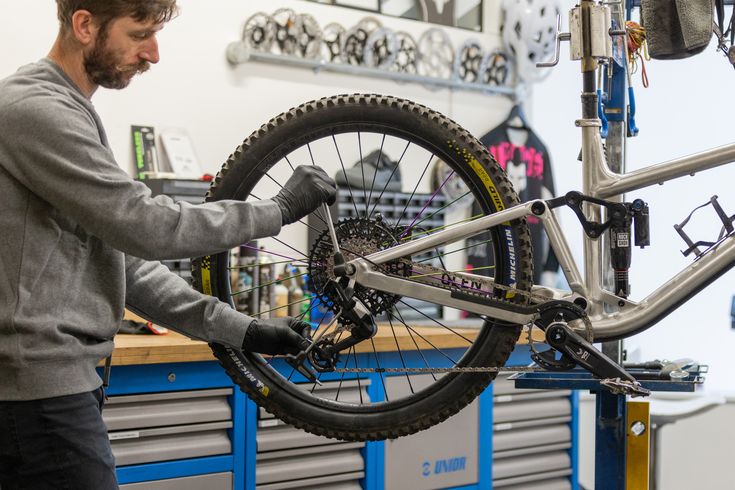
Check the Gears and Drivetrain
Your gears should shift smoothly and consistently. Test through the available gears before a long journey rather than discovering a shifting problem halfway through the ride.
Listen for unusual clicking, grinding or repeated chain movement.
If gears are skipping, refusing to shift or making unusual noises, the issue may require adjustment or professional bike repair.
Quick Drivetrain Check
- Shift through the gears
- Check for unusual noises
- Inspect the chain
- Look for damaged teeth
- Ensure the pedals rotate smoothly
- Check for excessive drivetrain dirt
A properly maintained drivetrain can make climbing and longer-distance cycling more comfortable.
Inspect the Handlebars and Saddle
Comfort becomes increasingly important as distance increases. Check that your saddle and handlebars are positioned correctly and that relevant fasteners are secure.
Your riding position should allow you to control the bicycle comfortably without excessive pressure on your hands, shoulders or back.
Before making major adjustments, make small changes and test the bike on a short ride.
Pay Attention to:
- Saddle height
- Saddle position
- Handlebar position
- Grip condition
- Loose components
- Riding comfort
A professional bike fit can also be useful for riders who regularly experience discomfort on longer journeys.
Carry Essential Bicycle Accessories
Longer rides can become much easier when you carry a few basic bicycle accessories.
You don’t need a huge toolkit. A compact collection of essentials can help with common roadside problems.
Consider carrying:
- Spare inner tube or appropriate repair solution
- Tyre levers
- Mini pump
- Multi-tool
- Puncture repair kit
- Water bottle
- Basic first-aid supplies
- Phone
- Identification and payment method
Your exact kit should depend on the distance, route and type of bicycle you ride.
Prepare Your Cycling Gear
Your cycling gear should be appropriate for the distance and weather. Comfortable clothing can reduce friction and help regulate temperature during longer journeys.
For UK riding, layering can be particularly useful because conditions may change during a single commute.
Depending on conditions, consider:
- Breathable cycling jersey or top
- Comfortable cycling shorts or trousers
- Lightweight waterproof jacket
- Gloves
- Weather-appropriate socks
- Helmet
- Sunglasses
Avoid wearing too many layers at the start of a ride if the temperature is likely to rise significantly.
Perform a Quick Pre-Ride Safety Check
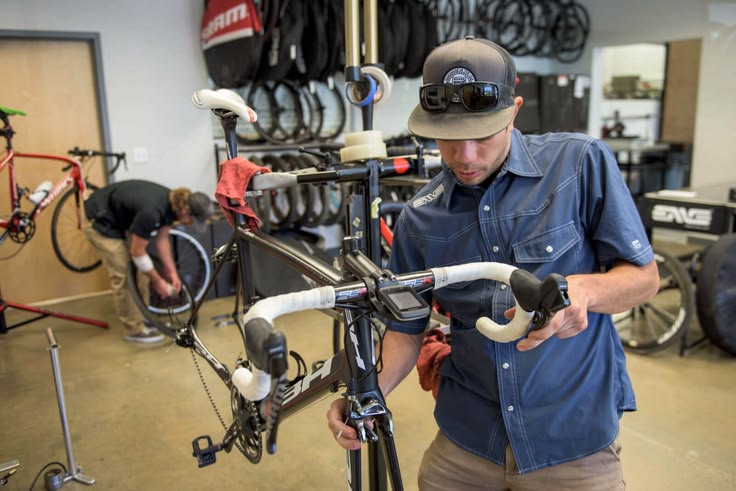
Before setting off, take a few minutes to inspect the bicycle as a whole.
A simple routine can help you spot obvious problems before you’re on the road.
Quick Check
Tyres: Pressure and visible damage.
Brakes: Firm response and appropriate pad condition.
Chain: Clean, lubricated and moving normally.
Gears: Smooth shifting.
Wheels: Secure and free from obvious damage.
Lights: Working and sufficiently charged.
Bolts: No obvious loose components.
Accessories: Properly attached.
This simple inspection can become a habit before every significant ride.
Plan for the Distance
Bike preparation should also include the route. A longer ride requires more planning than a short commute.
Check the route before leaving and consider where you could stop for water, food or assistance if necessary.
For longer journeys, consider:
- Weather forecast
- Distance
- Elevation
- Road conditions
- Available repair points
- Water stops
- Mobile phone coverage
- Alternative routes
This preparation can be especially valuable when cycling through rural parts of the UK where services may be less frequent.
Frequently Asked Questions
How often should I perform bike maintenance?
Basic checks such as tyre pressure, brakes and chain condition should be performed regularly, particularly before longer rides. More comprehensive servicing depends on mileage, riding conditions and the bicycle’s condition.
What should I check before a long bike ride?
Check tyre pressure and condition, brakes, chain, gears, wheels, handlebars, saddle, lights and essential equipment. A quick inspection can help identify common problems before you leave.
What tyre pressure should I use?
Use the pressure range specified on your tyre sidewall or by the tyre manufacturer. The appropriate pressure depends on factors such as tyre size, rider weight and riding conditions.
How often should I lubricate my bike chain?
There isn’t one universal interval. Chain lubrication depends on riding frequency, weather and road conditions. Inspect the chain regularly and lubricate it when it becomes dry or after appropriate cleaning.
What should I carry for a long bike ride?
A basic roadside kit can include a pump, spare tube or puncture-repair equipment, tyre levers and a multi-tool. Water, a phone and weather-appropriate clothing are also useful.
Conclusion: Make Bike Maintenance Part of Every Long Ride
Good bike maintenance is one of the simplest ways to prepare for reliable commuting and longer cycling adventures. Checking tyre pressure, brakes, chain, gears, wheels and lights before riding can help you identify problems while you’re still at home. You don’t need to become a professional mechanic to look after your bicycle. Start with a consistent pre-ride inspection, keep the drivetrain clean and lubricated, address unusual problems early and arrange professional servicing when necessary. Ready for your next ride? Explore cycling gear, bicycle accessories and maintenance essentials to prepare your bike for longer journeys and everyday commuting.