


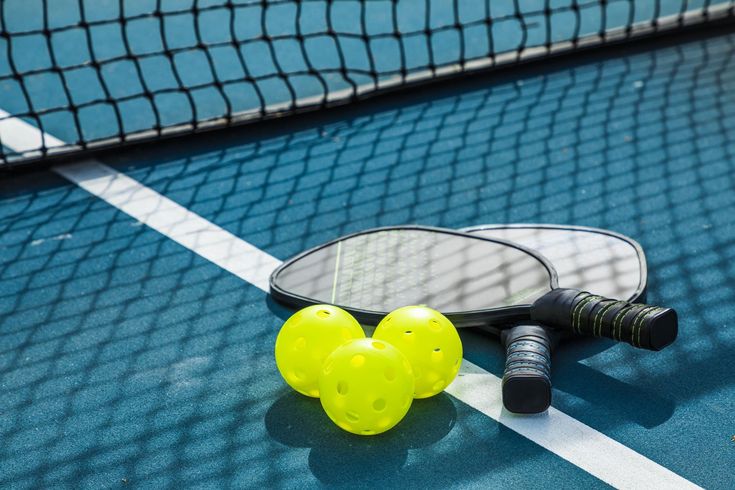
Choosing the right pickleball gear doesn’t have to mean buying every accessory on the shelf. Beginners can start with a relatively simple setup that covers the essentials: a suitable paddle, quality pickleballs, comfortable shoes and a few practical accessories. As your skills improve, you can add equipment based on how and where you play. This guide explains what pickleball equipment beginners actually need, what features matter and where it makes sense to spend more.
Pickleball has grown rapidly across the US, with players participating in community recreation centres, dedicated pickleball facilities, gyms and outdoor courts. Because playing conditions vary between locations, your equipment should match whether you mainly play recreational games, competitive matches, outdoor sessions or indoor pickleball.
What Pickleball Gear Do Beginners Really Need?
The basic setup is surprisingly straightforward. You don’t need advanced technology or an expensive collection of accessories to learn the fundamentals.
A beginner’s core equipment usually includes:
- Pickleball paddle
- Pickleballs
- Court-appropriate shoes
- Comfortable sports clothing
- Pickleball bag or suitable carrying option
Some venues provide balls or paddles for new players, so you may not need to purchase everything immediately. If you’re planning to play regularly, however, having your own equipment allows you to become familiar with its feel and performance.
Start With the Right Pickleball Paddle
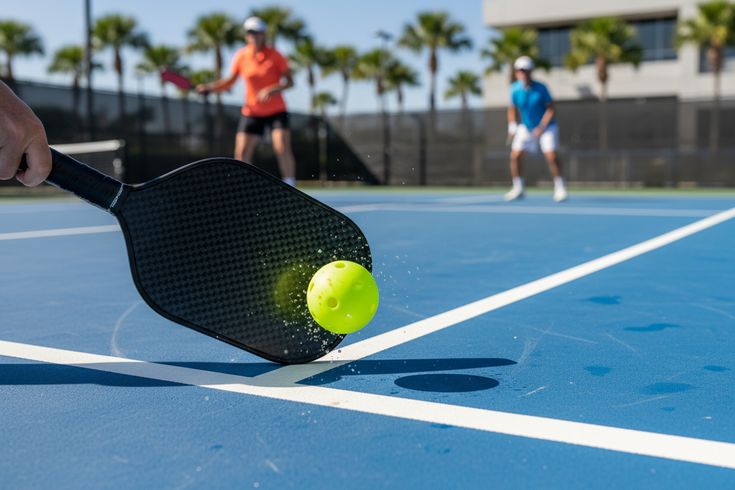
The pickleball paddle is arguably the most important purchase for a beginner. Paddles vary in weight, shape, material, grip size and surface texture, and these characteristics can affect how the paddle feels during play.
Beginners generally benefit from a paddle that feels comfortable and manageable rather than simply choosing the most expensive model.
What Paddle Features Should Beginners Consider?
Pay attention to:
- Paddle weight
- Grip circumference
- Grip length
- Paddle shape
- Core construction
- Surface material
- Balance
A lighter paddle can feel easier to manoeuvre, while a heavier paddle may provide more stability and power. Neither is automatically better; your physical comfort and playing style matter.
Understand Paddle Weight
Paddle weight is one of the first specifications beginners should compare. Pickleball paddles are available in a range of weights, with different categories offering different handling characteristics.
A lighter paddle may be appealing if you value quick reactions at the net. A heavier paddle can provide additional stability and may feel more powerful, but it can also require more effort during extended play.
If you’re completely new, a moderate-weight paddle can be a sensible starting point because it provides a balance between manoeuvrability and stability.
Don’t choose based solely on the number printed on the packaging. Hold the paddle if possible and consider how comfortable it feels during repeated swings.
Get the Right Paddle Grip
Paddle grip is another feature that can easily be overlooked. If the grip is too large, you may find the paddle uncomfortable to control. If it’s too small, you may have to squeeze the handle more firmly than necessary.
A comfortable grip should allow you to maintain control without excessive tension.
Consider:
- Hand size
- Grip circumference
- Handle length
- Grip texture
- Cushioning
- Sweat management
If you aren’t sure which size works best, trying several paddles can help you identify the most comfortable option.
Choose the Correct Pickleballs
A paddle is only half of the basic equation. You’ll also need pickleballs, and indoor and outdoor versions are designed differently.
Outdoor pickleballs generally have smaller, more numerous holes and are designed to perform in outdoor conditions. Indoor balls typically use a different construction and hole pattern suited to indoor court environments.
Indoor vs Outdoor Pickleballs
Indoor pickleballs: Often designed for smoother indoor surfaces and controlled environments.
Outdoor pickleballs: Built for outdoor play where wind, temperature and court surfaces can influence ball behaviour.
Always check what your local facility requires. Some organised games or tournaments specify approved equipment.
Invest in Proper Pickleball Shoes
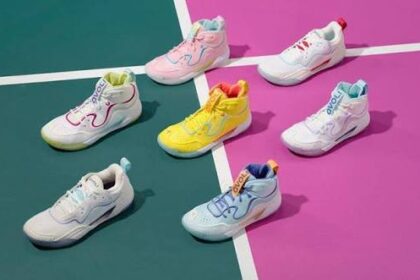
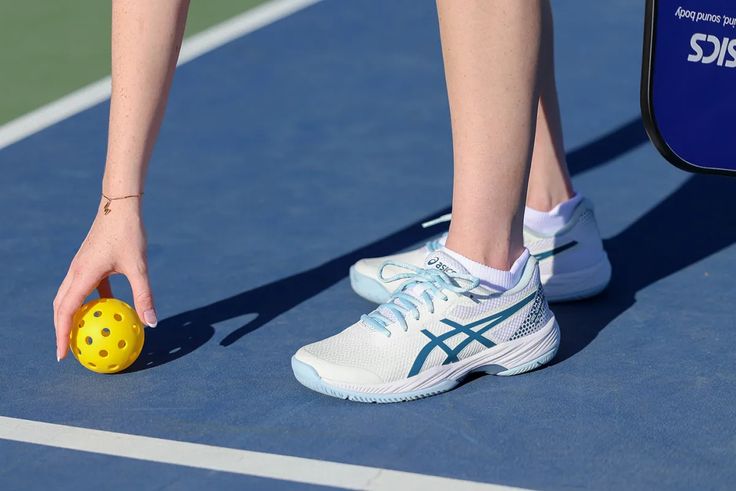
Your footwear can be just as important as your paddle. Pickleball shoes should provide the grip, lateral support and stability needed for repeated side-to-side movement.
Running shoes aren’t necessarily ideal because they are primarily designed for forward movement. Pickleball involves frequent changes in direction, so court-specific footwear can provide a more suitable foundation.
Look for:
- Good lateral stability
- Secure fit
- Appropriate court traction
- Comfortable cushioning
- Breathable construction
- Durable outsole
The correct outsole also depends on the surface. Shoes designed for indoor courts may differ from those intended for outdoor play.
Consider a Pickleball Bag
A dedicated pickleball bag isn’t essential on your first day, but it becomes useful once you start carrying your own equipment regularly.
A good bag can keep your paddles, balls, shoes, water bottle and personal items organised.
Look for a design with enough space for your equipment without becoming unnecessarily bulky.
Useful features can include:
- Paddle compartments
- Separate shoe storage
- Ball pockets
- Water-bottle holder
- Adjustable shoulder straps
- Zipped accessory pockets
If you’re only carrying one paddle and a few balls, a compact sports bag may be perfectly adequate.
Don’t Overlook Court Accessories
There are plenty of court accessories available, but beginners don’t need most of them immediately.
Useful accessories can include:
- Replacement paddle grips
- Grip tape
- Ball containers
- Towels
- Water bottles
- Sunglasses
- Hats
- Portable ball holders
Start with accessories that solve an actual problem. There’s little benefit in purchasing specialised equipment that you rarely use.
Consider Your Playing Frequency
How often you play should influence how much you spend on pickleball gear.
If you’re playing once a month with friends, basic equipment may be enough. If you’re playing several times a week, investing in a better-quality paddle and dedicated shoes can make more sense.
A Simple Spending Strategy
Occasional player: Basic paddle + suitable balls + existing sportswear.
Regular recreational player: Mid-range paddle + court shoes + bag.
Frequent player: Higher-quality paddle + dedicated footwear + replacement grips + organised equipment bag.
There’s no need to purchase premium gear before you’ve developed a preference for weight, grip and paddle feel.
Match Your Paddle to Your Playing Style
Your playing style will gradually become clearer as you gain experience.
Some players prefer controlled shots and longer rallies, while others enjoy aggressive drives and quick exchanges near the net.
When selecting pickleball equipment, don’t assume that a paddle marketed for maximum power will automatically make you a better player.
Consider Your Priorities
Control: Look for a paddle that feels stable and predictable.
Power: Consider a design that provides the level of power you can comfortably manage.
Quick reactions: A manageable paddle weight may be useful.
All-around play: A balanced paddle can provide a practical starting point.
Your technique ultimately matters more than simply owning specialised equipment.
Don’t Forget Maintenance
Taking care of your equipment can extend its useful life.
Store paddles somewhere dry and avoid exposing them unnecessarily to extreme temperatures. Check grips periodically and replace them when they become worn or slippery.
Clean equipment according to manufacturer recommendations rather than using harsh chemicals that could damage surfaces.
Basic Maintenance Checklist
- Keep paddles dry
- Inspect paddle edges
- Replace worn grips
- Clean equipment appropriately
- Store balls properly
- Check shoes for outsole wear
- Keep your bag organised
Regular checks can help you spot worn equipment before it affects your game.
Frequently Asked Questions
What pickleball gear does a beginner need?
A beginner mainly needs a suitable pickleball paddle, appropriate pickleballs, court-friendly shoes and comfortable sports clothing. A pickleball bag and additional accessories can be added later.
What paddle weight is best for beginners?
A moderate-weight paddle can be a practical starting point because it balances manoeuvrability and stability. However, the ideal weight depends on your comfort, strength and playing style.
Do I need special shoes for pickleball?
Dedicated pickleball shoes aren’t mandatory for casual play, but court shoes can provide better lateral stability and traction than ordinary running shoes.
What’s the difference between indoor and outdoor pickleballs?
Indoor and outdoor pickleballs are designed for different playing environments. Outdoor balls are generally designed to handle wind and outdoor conditions, while indoor balls are suited to indoor courts.
Do I need a pickleball bag?
No. A dedicated bag isn’t essential when starting out, but it becomes useful if you regularly carry paddles, balls, shoes and accessories to different courts.
Conclusion: Choose Pickleball Gear That Fits Your Game
The best pickleball gear for beginners doesn’t have to be complicated or expensive. Start with the essentials: a comfortable pickleball paddle, suitable pickleballs, reliable court shoes and clothing that allows you to move freely. As your skills develop, you can experiment with different paddle designs, upgrade your footwear and add practical accessories. Building your equipment gradually helps you spend money where it genuinely improves your playing experience. Ready to start playing? Explore pickleball equipment, paddles, balls, footwear and accessories to build a setup that matches your game.