


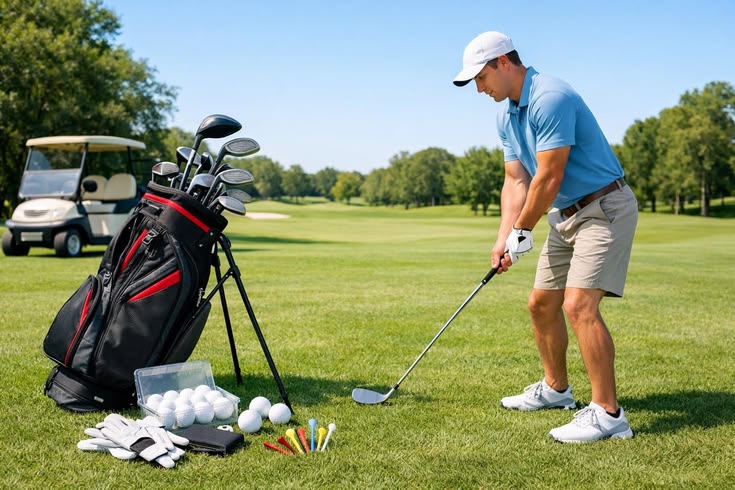
Choosing the right golf equipment can make a noticeable difference to your confidence, consistency and overall enjoyment on the course. Golfers have different swing speeds, experience levels, playing preferences and physical needs, so equipment should not be selected simply because a particular club or accessory is popular. From golf clubs and golf balls to gloves, bags and rangefinders, the right combination should complement the way you actually play. This golf gear guide explains what to consider when building a setup that matches your playing style, whether you’re a beginner or an experienced golfer.
For golfers in the US, equipment choices can also depend on course conditions, climate and how frequently you play. Someone regularly playing long courses in warm regions may have different priorities from a golfer who mainly plays shorter courses or practises at a driving range.
Why Your Playing Style Matters When Choosing Golf Equipment
Your equipment should support your strengths while helping compensate for areas where you struggle. A beginner who frequently slices the ball, for example, may benefit from forgiving clubs, while an experienced player may prioritise greater control and shot-shaping ability.
Before buying anything, think about:
- Your experience level
- Typical swing speed
- Common miss-hit pattern
- Playing frequency
- Course type
- Budget
- Walking or riding preference
- Interest in golf technology
This simple assessment can prevent you from spending money on equipment that doesn’t suit your game.
Start With the Right Golf Clubs
Golf clubs are arguably the most important part of your equipment setup. Drivers, fairway woods, hybrids, irons, wedges and putters all perform different jobs, and their specifications can significantly influence how easily you produce consistent shots.
Beginners generally benefit from clubs designed with forgiveness in mind. Larger clubheads and suitable cavity-back irons can make off-centre strikes more manageable.
More experienced golfers may have more specific preferences regarding shaft flex, clubhead design, loft and feel.

Consider Forgiveness in Your Irons
Iron selection should reflect your ability and typical ball-striking pattern.
For beginners and higher-handicap players, forgiving irons can make mishits less punishing. Game-improvement designs often use features intended to increase stability and make it easier to launch the ball.
Players with more consistent contact may prefer irons that provide greater feedback and control.
When Comparing Irons, Consider:
- Clubhead size
- Loft configuration
- Shaft material
- Shaft flex
- Offset
- Forgiveness
- Feel
- Distance consistency
There’s no universal “best” iron set. The ideal choice depends on how you deliver the club to the ball.
Select Golf Gloves for Comfort and Grip
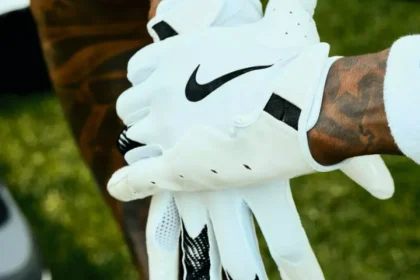
Golf gloves help provide grip and can improve comfort during repeated swings. The glove should fit securely without restricting finger movement.
A glove that’s too loose may move during the swing, while one that’s too tight can become uncomfortable.
Look for a material and construction appropriate for how frequently you play and the climate where you normally golf.
If you play regularly in hot weather, breathability and moisture management may be especially important.
Choose a Golf Bag That Matches Your Routine
Your golf bag should reflect whether you walk, use a cart or frequently travel with your clubs.
A lightweight carry bag may be ideal for golfers who prefer walking the course, while a larger cart-oriented bag can provide more storage for players who use a golf cart.
Consider:
- Weight
- Club dividers
- Pocket capacity
- Strap comfort
- Waterproof features
- Stand mechanism
- Travel compatibility
Don’t underestimate the importance of weight. A bag that feels manageable at the beginning of a round can become tiring after several hours of walking.
Use Rangefinders to Improve Distance Management
Rangefinders can provide useful distance information and help golfers make more informed club selections.
Knowing the approximate distance to a target can improve decision-making, particularly when approaching greens or planning shots around hazards.
When choosing a rangefinder, consider its display, size, battery life, accuracy and ease of use.
Some models also incorporate additional golf technology, but advanced features aren’t necessary for every player.
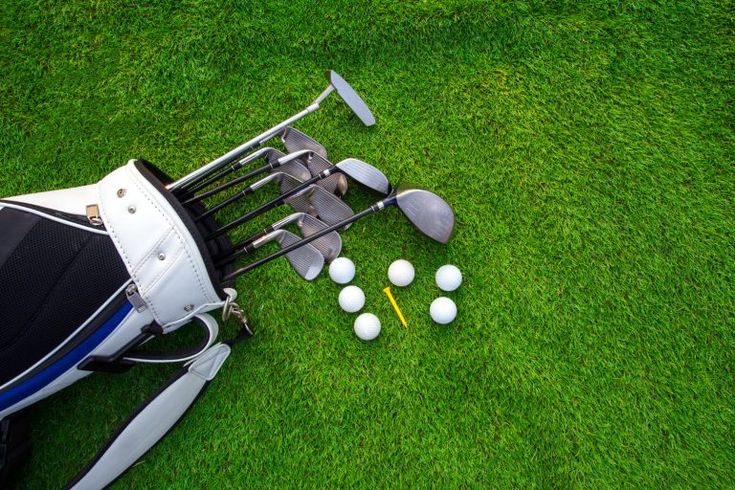
Consider Golf Technology Carefully
Modern golf technology includes GPS watches, launch monitors, swing analysers, smart sensors and performance-tracking applications.
These tools can provide useful information about distances, swing patterns and statistics.
However, data is only valuable when you understand how to use it.
Useful Technology for Different Golfers
Beginners: GPS distance information and basic score tracking.
Intermediate players: Shot tracking and performance statistics.
Advanced players: Launch monitors, detailed club data and swing analysis.
Avoid buying technology simply because it is advanced. Choose features that can actually influence your practice or course strategy.
Think About Your Course and Playing Conditions
Your local course can influence equipment choices.
Golfers playing links-style courses may encounter strong winds and firm conditions, while players in warmer regions may regularly deal with different turf and weather conditions.
Your golf equipment should be suitable for the courses you play most often.
Consider whether you typically encounter:
- Strong wind
- Soft fairways
- Firm greens
- Heavy rough
- Bunkers
- Long par 5s
- Tight fairways
- Hilly terrain
Understanding your playing environment can help you make more practical equipment decisions.
Match Equipment to Your Budget
You don’t need the most expensive beginner golf gear or premium equipment to enjoy the game.
Create a realistic budget and prioritise equipment that can make the biggest difference.
A Practical Buying Priority
- Suitable golf clubs
- Comfortable golf shoes and gloves
- Appropriate golf balls
- Functional golf bag
- Useful accessories
- Golf technology
Beginners may also consider second-hand equipment from reputable sources, provided the clubs are in suitable condition and the specifications are appropriate.
Frequently Asked Questions
What golf equipment should a beginner buy first?
Beginners should prioritise a forgiving set of clubs, suitable golf balls, golf gloves and a comfortable golf bag. Additional accessories can be added as their playing needs develop.
How do I choose the right golf clubs?
Consider your experience, swing characteristics, typical miss-hit and desired level of forgiveness. Testing different clubs or getting a professional fitting can help identify suitable specifications.
Are expensive golf balls better for beginners?
Not necessarily. Beginners should focus on a ball that provides consistent performance and suits their budget rather than assuming the most expensive option will automatically improve their game.
Do I need a rangefinder to play golf?
No. A rangefinder is optional, although it can provide convenient distance information and help with club selection and course strategy.
How many golf clubs should I carry?
The Rules of Golf allow a maximum of 14 clubs during a round. Beginners don’t necessarily need all 14 immediately; a practical set that covers useful distances can be sufficient.
Conclusion
The best golf equipment is equipment that complements your playing style, ability and typical course conditions. Beginners should generally prioritise forgiveness and simplicity, while experienced players may want greater control and more specialised specifications. For golfers across the US and beyond, building your setup gradually can be a smarter approach than replacing everything at once. As your game develops, you’ll gain a clearer understanding of which equipment features actually improve your performance. Ready to upgrade your game? Explore golf equipment, beginner golf gear and accessories designed to match your playing style and help you get more from every round.