


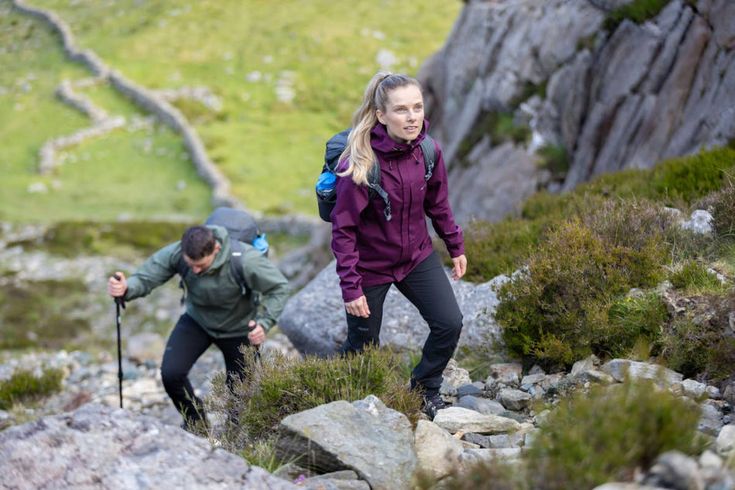
Choosing the right outdoor clothing becomes especially important when weather conditions can change without warning. A sunny morning can quickly turn into a windy afternoon, while light rain can develop into a much heavier shower during a hike, camping trip or outdoor commute. The best approach is to build a flexible wardrobe around weather-ready clothing, rather than relying on one heavy jacket for every situation. By combining base layers, insulating pieces and protective outerwear, you can stay comfortable across changing temperatures and conditions.
For outdoor enthusiasts across the US, weather can vary dramatically by region and season. A hiker in the Pacific Northwest may prioritise rain protection, while someone exploring Colorado may need insulation and wind protection at higher elevations. In warmer southern states, breathable fabrics and lightweight layers may be more useful. Understanding how each clothing layer works makes it easier to prepare for your specific environment.
Why Is Outdoor Clothing Important in Unpredictable Weather?
The purpose of good outdoor clothing is not simply to keep you warm. Effective outdoor apparel should help manage moisture, protect you from wind and rain, regulate body temperature and allow comfortable movement.
Weather-ready clothing is particularly useful when you’re spending several hours outside because conditions can change faster than expected.
A practical outdoor wardrobe should help with:
- Temperature changes
- Rain and moisture
- Strong winds
- Sun exposure
- Sweat management
- Cold conditions
- Unexpected weather changes
Instead of choosing clothing based only on the current forecast, consider how conditions could change during your activity.
Build an Outdoor Clothing Layering System
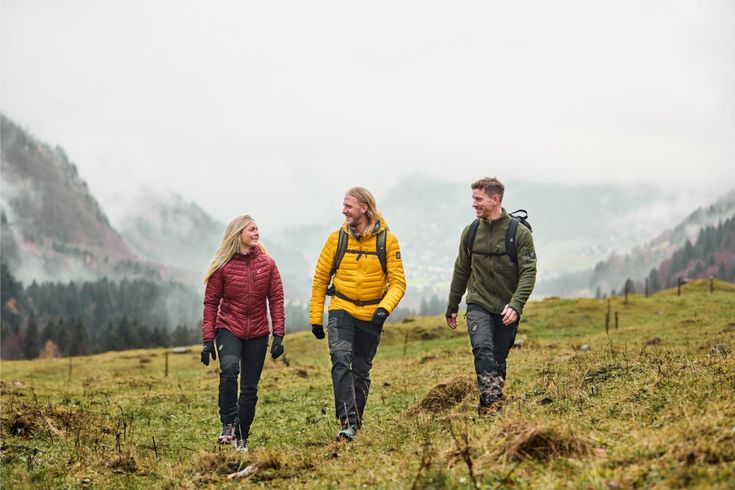
A layering system is one of the most practical ways to prepare for unpredictable weather. Rather than relying on one thick garment, you combine multiple layers that perform different functions.
The traditional system consists of three main layers:
Base layer: Manages moisture and helps keep skin comfortable.
Mid layer: Provides insulation and retains warmth.
Outer layer: Protects against rain and wind.
The advantage is flexibility. You can remove a layer when you become warm and put it back on when temperatures fall.
Start With Base Layers
Base layers sit directly against your skin and are designed to manage moisture. During physical activity, your body produces heat and sweat, so the material you wear underneath can significantly affect comfort.
Look for fabrics designed to move moisture away from the skin and dry relatively quickly.
What Makes a Good Base Layer?
Consider:
- Moisture management
- Breathability
- Comfortable fit
- Quick-drying construction
- Appropriate thickness
- Odour resistance where relevant
Avoid relying heavily on ordinary cotton for demanding outdoor activities in cool or wet conditions. Cotton can retain moisture, which may make you feel cold once temperatures drop.
For warmer conditions, lightweight base layers can provide coverage without adding excessive insulation.
Invest in Reliable Rain Gear
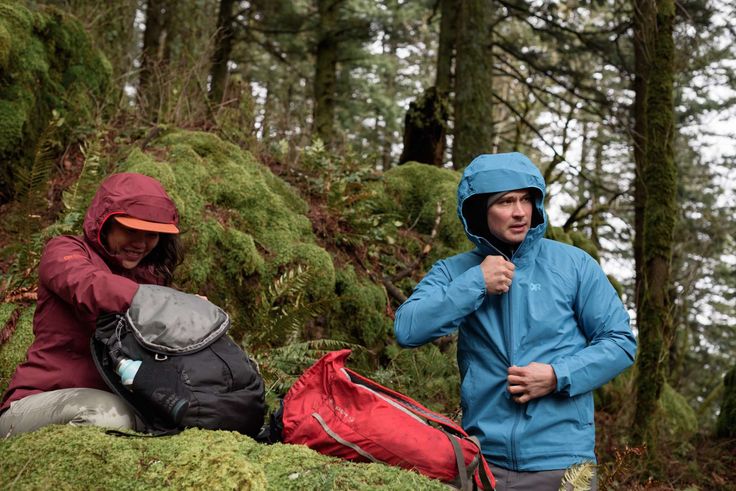
Rain is one of the biggest challenges when choosing outdoor clothing. A waterproof or highly weather-resistant outer layer can help keep you dry when conditions deteriorate.
Rain gear should provide protection without making movement unnecessarily difficult.
When comparing waterproof jackets, consider:
- Waterproof performance
- Breathability
- Hood design
- Adjustable cuffs
- Pocket placement
- Packability
- Overall weight
For hiking or other high-output activities, breathability becomes particularly important because moisture can build up inside the garment even when rain is kept outside.
Choose Insulated Jackets for Cold Conditions
When temperatures fall significantly, insulated jackets can become an important part of your outdoor wardrobe.
Down and synthetic insulation have different characteristics. Down can offer an excellent warmth-to-weight ratio but requires careful consideration around prolonged moisture. Synthetic insulation can be more forgiving in damp conditions.
Your choice should depend on:
- Expected temperature
- Rain exposure
- Activity level
- Packability
- Weight
- Intended use
- Maintenance requirements
For cold-weather travel or outdoor adventures, an insulated jacket can also function as an emergency warmth layer when temperatures unexpectedly fall.
Choose Clothing According to Activity Level
The right outdoor apparel depends heavily on how active you’ll be.
A person walking slowly through a winter market may need more insulation than someone hiking uphill in the same temperature.
Match Clothing to Activity
High activity: Prioritise breathability and moisture management.
Moderate activity: Use flexible layers that can be adjusted.
Low activity: Prioritise insulation and wind protection.
This is why the same jacket can feel perfect during one activity and uncomfortable during another.
Think About Your Destination
Your destination should influence your clothing decisions.
Weather conditions can differ substantially between regions. A trip through the Pacific Northwest may require reliable rain gear, while a Colorado mountain adventure can demand stronger insulation and wind protection.
Similarly, desert environments can involve hot daytime temperatures followed by considerably cooler evenings.
Before travelling, check more than the temperature. Look at:
- Rain probability
- Wind speed
- Humidity
- Temperature range
- Elevation
- Expected activity level
- Daylight hours
This gives you a more realistic idea of what outdoor clothing essentials you’ll need.
Don’t Forget Outdoor Accessories
Small accessories can provide significant protection when conditions change.
Useful additions include:
- Waterproof gloves
- Warm hats
- Sun hats
- Neck gaiters
- Sunglasses
- Wool or synthetic socks
- Waterproof backpack covers
- Lightweight gloves
These items are easy to pack and can make a substantial difference when temperatures or weather conditions change unexpectedly.
Frequently Asked Questions
What clothing is best for unpredictable weather?
A layering system is generally the most flexible option. Combine a moisture-managing base layer, an insulating mid-layer and a waterproof or windproof outer layer according to conditions.
What is the best base layer for outdoor activities?
Choose a comfortable base layer that manages moisture and dries efficiently. The ideal material and thickness depend on temperature, activity level and personal preference.
Are fleece jackets good for outdoor activities?
Yes. Fleece jackets are versatile insulating layers that can provide warmth without excessive bulk, making them useful for hiking, camping and everyday outdoor activities.
Do I need waterproof clothing for hiking?
If you’re hiking in an area where rain is possible, carrying suitable rain gear is a sensible precaution. Waterproof protection becomes particularly important for longer trips where shelter may not be immediately available.
Is breathable clothing important?
Yes. Breathability helps excess heat and moisture escape, which can improve comfort during physically demanding outdoor activities.
Conclusion
The best outdoor clothing for unpredictable weather is clothing that works together as a flexible system. Instead of relying on one garment, combine moisture-managing base layers, insulating fleece or other mid-layers and protective outer shells to adapt to changing conditions. Focus on fit, breathability, durability and packability when building your outdoor wardrobe. With the right outdoor clothing essentials, you can prepare for changing conditions without carrying unnecessary weight or sacrificing comfort. Ready to prepare for your next adventure? Explore outdoor apparel, weather-ready clothing and essential outdoor gear designed to help you stay comfortable when conditions change.