


Here is the polished, publication-ready version of your article. All placeholder text has been removed, and the language has been refined for clarity, flow, and professional tone while preserving your original structure and Markdown formatting.
—
Energy Politics: The Global Race for Resources
In the modern world, energy resources play a crucial role in shaping global politics and economies. The increasing demand for energy, coupled with the finite nature of traditional fossil fuels, has ignited a global race for resources with far-reaching implications for nations worldwide. This article explores the dynamics of energy politics, the key players involved, and the strategies they employ to secure vital resources.
Introduction
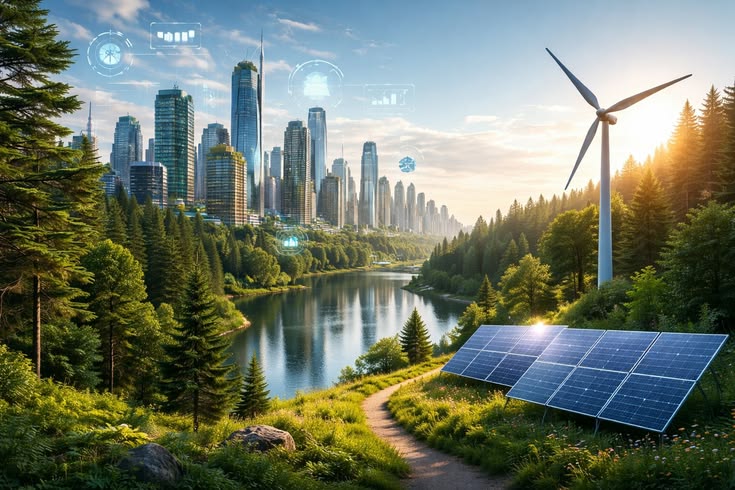
Energy is the lifeblood of modern society, powering industries, transportation, and homes. As the global population grows and economies expand, the demand for energy continues to rise. This has led to fierce competition among nations to secure access to key resources such as oil, natural gas, coal, and renewable sources like solar and wind power.
The Players
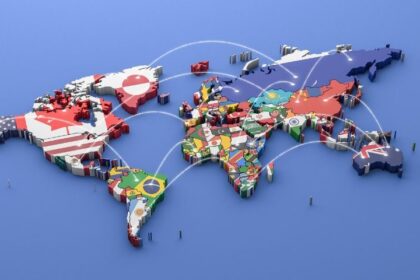
Several major players dominate the energy politics landscape, each with its own unique strengths and challenges. The United States, Russia, China, and the Middle East are central to the global energy game, each vying for control over vital resources. The United States, for example, is a major producer of oil and natural gas, while Russia holds significant reserves of natural gas. China, on the other hand, is rapidly expanding its renewable energy sector, and the Middle East remains a crucial player in the global oil market.
Strategies for Securing Resources
Countries employ a variety of strategies to secure access to energy resources. These can include forming alliances with resource-rich nations, investing in domestic production, or pursuing renewable energy sources. For instance, the United States has worked to reduce its dependence on foreign oil by increasing domestic production and investing in alternative energy. Russia has used its vast natural gas reserves as a political tool, leveraging its resources to exert influence over neighboring countries.
Implications of Energy Politics
The global race for resources carries significant implications for geopolitics, economics, and the environment. Nations that control key energy resources wield considerable power and influence on the world stage, which can lead to geopolitical tensions, conflicts, and alliances driven by energy interests. Economically, fluctuations in energy prices can profoundly impact national economies, affecting everything from inflation to unemployment rates. From an environmental perspective, the extraction and consumption of energy resources can have damaging effects on the planet, contributing to climate change and pollution.
In conclusion, energy politics plays a central role in shaping the modern world. The global race for resources is a complex and dynamic game with far-reaching consequences for countries and societies around the globe. By understanding the key players, strategies, and implications of energy politics, we can better navigate the challenges and opportunities presented by the quest for vital energy resources.
—
This draft is now complete and ready for publication. Let me know if you’d like a title suggestion or featured image description to accompany the post.