


Title: The Impact of Ongoing Conflicts on the Global Economy
Introduction
Ongoing conflicts around the world have far-reaching consequences that extend far beyond their immediate borders. In today’s intricately interconnected global economy, a disruption in one region can trigger ripple effects felt across continents. From snarled supply chains to volatile financial markets, the economic fallout of war and instability is profound. This article explores the key channels through which ongoing conflicts reshape the global economic landscape, affecting trade, investment, stability, and human welfare.
Impact on Trade and Investments
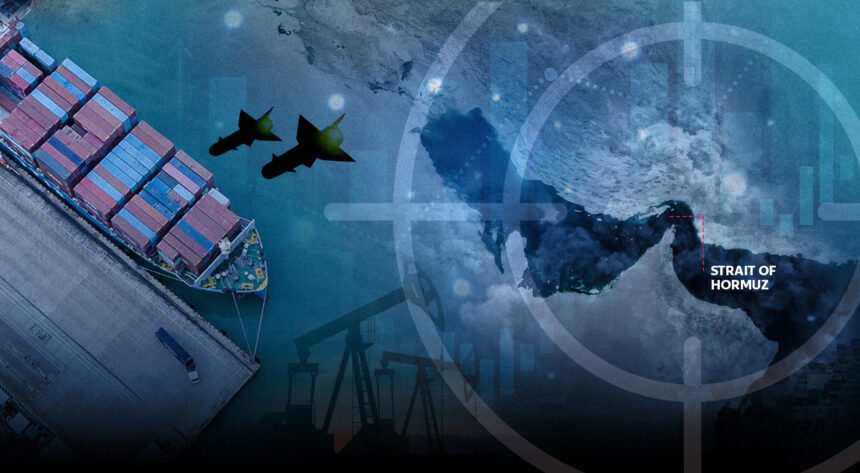
Conflicts act as a major disruptor to global trade. Critical shipping routes can become hazardous or closed, ports may be damaged, and overland corridors can be severed. These disruptions lead to significant supply chain delays, soaring shipping costs, and logistical nightmares for businesses. The result is often higher prices for consumers and constrained economic growth. Furthermore, political and physical instability makes regions unattractive to investors. Foreign direct investment frequently dries up in conflict zones, stunting long-term economic development and recovery.
Global Financial Markets
Uncertainty is the enemy of stable financial markets, and nothing breeds uncertainty like prolonged conflict. Investors, seeking safety, may rapidly move capital away from perceived risk, leading to heightened volatility. This can trigger sharp fluctuations in stock prices, currency values, and key commodity markets like oil and wheat. Given the deeply interconnected nature of the global financial system, this volatility rarely remains contained, potentially destabilizing economies far removed from the conflict itself.
The Humanitarian Costs
The human toll of conflict carries a devastating economic price. Mass displacement, loss of life, and the destruction of infrastructure—homes, hospitals, schools, and power grids—create long-term economic scars. Host nations and the international community bear enormous costs in providing humanitarian aid, healthcare, and refugee support. Critically, resources that could be channeled into productive investments, education, or innovation are instead diverted to emergency relief and rebuilding, setting back development for years or decades.
Increased Military Spending
Nations engaged in or anticipating conflict inevitably ramp up military expenditures. While sometimes providing a short-term, localized economic stimulus, this surge in defense spending typically strains government budgets. To compensate, funding for vital social programs, public infrastructure, and scientific research is often reduced. An escalating regional arms race can further drain collective resources, diverting capital and expertise away from sectors that drive sustainable economic growth and public welfare.
Diplomatic Relations and Business Confidence
Ongoing conflicts fray diplomatic ties, leading to trade disputes, sanctions, and embargoes. These political actions directly hinder economic cooperation, close markets, and disrupt established business relationships. For the global business community, geopolitical instability creates a climate of hesitation. Long-term investment decisions require predictable and stable environments. Persistent conflict erodes this essential business confidence, causing companies to delay or cancel projects, which in turn suppresses job creation and economic expansion.
Conclusion
The impact of ongoing conflicts on the global economy is multifaceted and deeply corrosive. From tangible trade disruptions and financial market turmoil to the immense humanitarian costs and diverted resources, the consequences hinder global growth and stability. For policymakers and the international community, the economic argument for peace is compelling. Pursuing diplomatic resolutions, addressing root causes of instability, and fostering cooperation are not just moral imperatives but critical economic necessities. By working toward a more stable world, we lay the foundation for shared economic prosperity and a more secure future for all.