



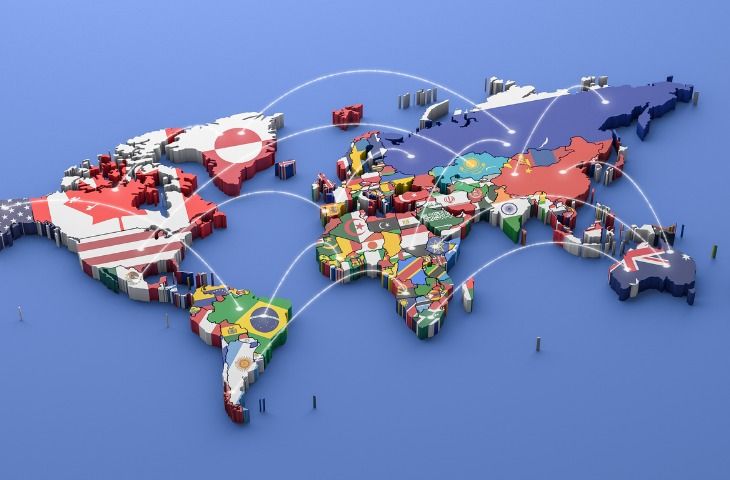
Here is the polished, publication-ready version of your article. All placeholder text has been removed, and the content has been refined for clarity, flow, and professional tone while preserving your original structure and markdown formatting.
—
Title: The Future of Global Alliances: A Look at NATO, BRICS, and the QUAD
Introduction
Global alliances play a crucial role in shaping international relations, security, and economic cooperation. As the world becomes increasingly interconnected, the future of key alliances such as NATO, BRICS, and the QUAD holds significant importance. This article explores the evolving landscape of these alliances and examines the potential implications for the future of global governance.
NATO
The North Atlantic Treaty Organization (NATO) has been a cornerstone of transatlantic security since its establishment in 1949. Comprising 30 member countries, NATO’s primary mission is to ensure the collective defense of its members. In recent years, the alliance has faced a range of challenges, including escalating tensions with Russia, persistent terrorism threats, and emerging security vulnerabilities in the cyber domain.
The future of NATO depends on its ability to adapt to a rapidly changing security environment. As new threats emerge, NATO must enhance its capabilities in areas such as cyber defense, hybrid warfare, and strategic communication. Moreover, the alliance’s role in addressing global challenges—including climate change and pandemics—will be crucial in maintaining its relevance and effectiveness in the 21st century.
BRICS
BRICS is an association of five major emerging economies: Brazil, Russia, India, China, and South Africa. Formed in 2009, the group aims to promote cooperation and economic development among its member countries. Despite internal differences and geopolitical tensions, BRICS has emerged as a significant player in the global economic landscape.
The future of BRICS hinges on its ability to leverage the collective strength of its members to address common challenges. As the world undergoes rapid technological advancements and shifts in global economic power, BRICS must adapt its strategies to remain competitive and relevant. Enhancing cooperation in trade, investment, and innovation will be key to sustaining BRICS’ influence on the global stage.
QUAD
The Quadrilateral Security Dialogue (QUAD) is a strategic forum comprising the United States, Japan, India, and Australia. Established in 2007, the QUAD aims to promote a free and open Indo-Pacific region and address shared security challenges. In recent years, the forum has gained momentum as a key platform for strategic cooperation in the Indo-Pacific.
The future of the QUAD lies in its ability to strengthen security cooperation and uphold a rules-based order in the region. As China’s influence continues to grow, the QUAD must enhance its capabilities in areas such as maritime security, infrastructure development, and cybersecurity. Expanding the QUAD’s membership and fostering partnerships with other like-minded countries will be essential in shaping the alliance’s future trajectory.
Conclusion
The future of global alliances such as NATO, BRICS, and the QUAD will be critical in shaping the geopolitical landscape of the 21st century. As these alliances navigate evolving security challenges, shifting economic dynamics, and rapid technological advancements, their ability to adapt and innovate will determine their relevance and effectiveness. By fostering cooperation, building resilience, and upholding shared values, these alliances can play a pivotal role in promoting peace, stability, and prosperity on a global scale.