


Technology has transformed the way people live, and today’s smart home essentials are designed to make everyday routines more convenient, secure, and energy-efficient. From voice-controlled assistants to intelligent lighting systems and connected security devices, smart home technology is no longer a luxury reserved for tech enthusiasts. Instead, it has become an accessible solution for homeowners, renters, and families around the world.
The global smart home market continues to expand rapidly as more consumers invest in automation that saves time, reduces energy consumption, and enhances home security. Whether you’re creating your first connected home or upgrading an existing setup, choosing the right smart home essentials can simplify daily tasks while improving comfort and efficiency. This guide explores the must-have smart home devices, explains how home automation works, and highlights the technologies that provide the greatest value for modern households worldwide.
Why Smart Home Essentials Are Becoming More Popular
The adoption of smart home essentials has accelerated over the past few years due to improvements in wireless connectivity, artificial intelligence, and voice recognition technology. Smart devices can now communicate with each other through centralized apps or virtual assistants, allowing homeowners to control multiple systems from a smartphone or voice command.
Beyond convenience, smart technology also supports sustainability by reducing unnecessary electricity usage and improving household energy management.
Some key advantages include:
- Greater convenience through automation.
- Improved home security.
- Lower energy consumption.
- Remote monitoring from anywhere.
- Personalized daily routines.
- Better accessibility for elderly family members.
These benefits make smart homes attractive for households across different lifestyles and budgets.
Smart Speakers: The Heart of Home Automation

Among the most popular smart home devices, smart speakers act as the central control hub for many connected homes.
Voice assistants allow users to control lighting, thermostats, security systems, music, reminders, shopping lists, and compatible appliances using simple voice commands.
Common functions include:
- Playing music and podcasts.
- Managing daily schedules.
- Controlling smart appliances.
- Answering questions instantly.
- Setting alarms and timers.
- Operating connected home devices.
As voice recognition technology continues improving, smart speakers have become an essential part of modern home automation systems.
Smart Lighting Improves Comfort and Efficiency
One of the easiest upgrades for beginners is installing smart lighting.
Unlike traditional bulbs, smart lights allow users to adjust brightness, color temperature, and scheduling directly through mobile apps or voice assistants. Homeowners can automate lighting based on sunrise, sunset, occupancy, or customized routines.
Benefits of smart lighting include:
- Remote control from anywhere.
- Energy savings through scheduling.
- Improved home security while away.
- Personalized lighting scenes.
- Voice-controlled operation.
- Longer-lasting LED technology.
These features enhance both convenience and energy efficiency.
Security Cameras Enhance Home Protection
Modern security cameras have become increasingly intelligent, offering real-time monitoring, motion detection, cloud storage, and instant smartphone notifications.
Whether installed indoors or outdoors, these systems provide homeowners with greater visibility and peace of mind.
Popular features include:
- HD and 4K video recording.
- Night vision.
- Motion alerts.
- Two-way audio communication.
- Cloud and local storage.
- AI-powered person detection.
Many systems also integrate seamlessly with other smart home devices, creating a comprehensive home security network.
Energy-Saving Devices Reduce Utility Costs
One of the biggest advantages of home technology is improved energy efficiency.
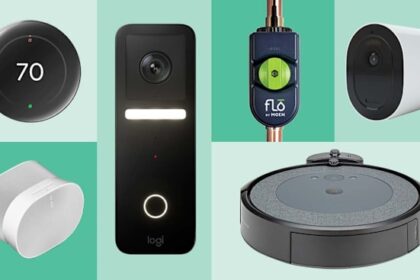
Modern energy-saving devices help households reduce electricity consumption without sacrificing comfort. Smart thermostats, connected plugs, intelligent blinds, and energy monitoring systems automatically optimize power usage throughout the day.
Examples include:
- Smart thermostats.
- Smart plugs.
- Automated blinds.
- Energy monitoring systems.
- Smart irrigation controllers.
- Intelligent ceiling fans.
Studies have shown that automated energy management can significantly lower household utility bills while reducing environmental impact.
Build a Fully Connected Home
Creating a connected home means allowing multiple smart devices to work together through a unified ecosystem.
For example, arriving home can automatically trigger lights to switch on, doors to unlock, the thermostat to adjust, and your favorite music to begin playing. Similarly, leaving home can activate security cameras, lock smart doors, switch off unnecessary lighting, and reduce heating or cooling automatically.
This level of automation saves time while creating a more comfortable living environment.
Useful Home Gadgets Worth Considering
Beyond core automation systems, many innovative home gadgets improve convenience in everyday life.
Popular smart gadgets include:
- Robot vacuum cleaners.
- Smart air purifiers.
- Video doorbells.
- Smart coffee makers.
- Connected kitchen appliances.
- Smart smoke detectors.
- Automated pet feeders.
- Wi-Fi-enabled garage door openers.
These devices simplify household tasks while integrating with broader home automation systems.
Tips for Choosing Smart Home Devices
Not every product is suitable for every household. Before purchasing, consider your lifestyle, compatibility requirements, and long-term needs.
Helpful buying tips include:
- Choose devices compatible with your existing ecosystem.
- Prioritize strong security and privacy features.
- Select products with regular software updates.
- Consider future expansion possibilities.
- Compare energy efficiency ratings.
- Read verified customer reviews before buying.
Planning your ecosystem carefully helps maximize value while avoiding compatibility issues.
Frequently Asked Questions (FAQs)
1. What are smart home essentials?
Smart home essentials are connected devices that automate household functions such as lighting, security, climate control, entertainment, and energy management.
2. Are smart home devices difficult to install?
Most modern smart home devices are designed for easy installation using smartphone apps and Wi-Fi connectivity without requiring professional assistance.
3. Do smart home devices save energy?
Yes. Many energy-saving devices optimize electricity usage through automation, scheduling, and intelligent monitoring, helping reduce utility bills.
4. Are security cameras necessary for a smart home?
While not mandatory, security cameras significantly improve home protection through remote monitoring, motion detection, and real-time alerts.
5. What is home automation?
Home automation uses connected technology to automatically control lighting, appliances, security, climate systems, and other household functions.
6. Can I control my smart home while traveling?
Yes. Most connected home systems allow remote control through secure mobile applications, enabling users to manage devices from anywhere with an internet connection.
Conclusion
Investing in the right smart home essentials is one of the most effective ways to improve convenience, security, and energy efficiency in modern living. From intelligent smart speakers and advanced security cameras to automated smart lighting, energy-saving devices, and innovative home gadgets, today’s smart technology helps simplify daily routines while creating a safer and more comfortable home environment. As home automation continues evolving, connected systems are becoming more affordable, reliable, and accessible for households around the world.
Whether you’re starting with a few basic smart home devices or building a fully integrated connected home, thoughtful planning and compatible technology will help you enjoy the full benefits of modern home innovation. Explore your options, compare products carefully, and take the first step toward creating a smarter, more efficient home.