



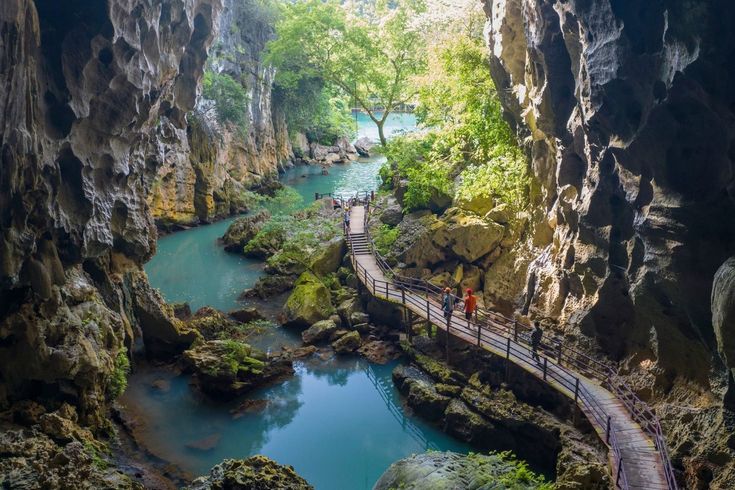
Asia is home to some of the world’s most spectacular natural landscapes, offering everything from dense rainforests and snow-capped mountains to tropical islands and unique wildlife habitats. Asia national parks protect these extraordinary ecosystems while providing unforgettable opportunities for trekking, wildlife safaris, eco-tourism, and outdoor adventures. Whether you’re an experienced hiker, a wildlife photographer, or simply someone who loves nature, these protected areas deserve a place on your travel bucket list.
As sustainable tourism continues to grow in 2026, more travelers are choosing Asia national parks to experience untouched wilderness, remarkable biodiversity, and authentic adventure travel. From the Himalayas to Southeast Asia’s tropical forests, these destinations allow visitors to connect with nature while supporting important conservation efforts.
Why Visit Asia National Parks?
Asia’s national parks preserve some of the planet’s richest ecosystems, protecting thousands of plant and animal species across diverse landscapes. Many parks are also recognized as UNESCO World Heritage Sites due to their ecological and cultural significance.
Beyond conservation, these parks provide travelers with opportunities to explore mountain trails, observe rare wildlife, camp beneath star-filled skies, and experience peaceful forests away from crowded cities.
Some reasons to explore Asia’s national parks include:
- Exceptional biodiversity – Many parks protect endangered wildlife, rare plants, and unique ecosystems found nowhere else on Earth. Every visit contributes to greater appreciation for conservation.
- Adventure travel opportunities – Trekking, wildlife safaris, camping, and river activities create unforgettable outdoor experiences. Each park offers adventures suitable for different skill levels.
- Beautiful natural landscapes – Visitors can enjoy forests, mountains, waterfalls, lakes, deserts, and coastal scenery within a single continent. Every destination offers its own unique environment.
- Support for eco-tourism – Responsible tourism helps fund conservation programs while benefiting nearby communities that protect these natural resources.
Best Asia National Parks to Visit
Komodo National Park, Indonesia
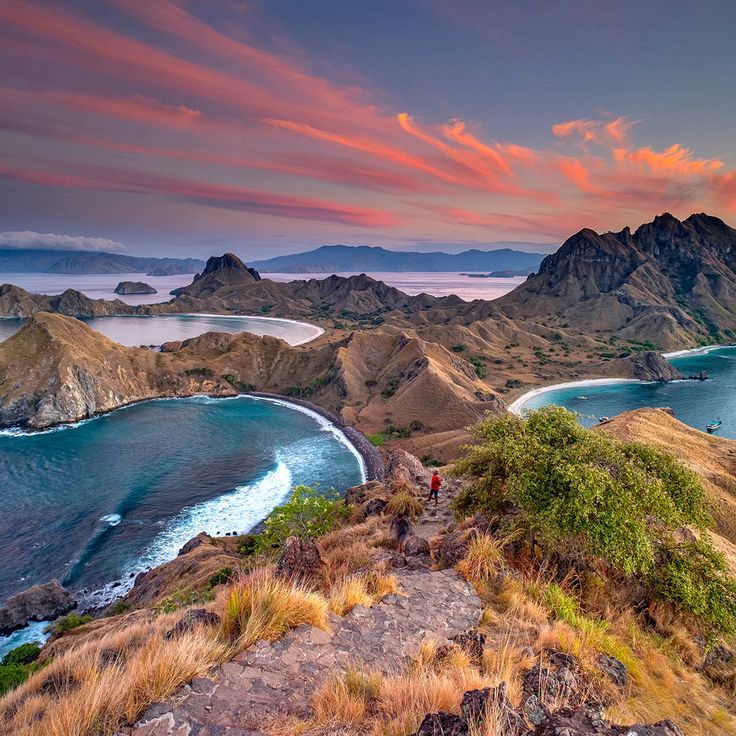
Komodo National Park is internationally famous as the only natural habitat of the legendary Komodo dragon.
Located between the islands of Sumbawa and Flores, the park also features spectacular beaches, coral reefs, and exceptional marine biodiversity.
Highlights include:
- Komodo Dragon Trekking – Guided walks allow visitors to safely observe the world’s largest lizard in its natural environment. Rangers provide fascinating insights into the species.
- Pink Beach – One of the few naturally pink sand beaches in the world, offering excellent snorkeling and crystal-clear waters.
Sagarmatha National Park, Nepal
Home to Mount Everest, Sagarmatha National Park is one of Asia’s most breathtaking mountain destinations.
The park combines dramatic Himalayan scenery with Sherpa culture and world-class trekking routes.
Top experiences include:
- Everest Base Camp Trek – One of the world’s most famous trekking adventures through spectacular mountain landscapes. The route attracts hikers from around the globe.
- Sherpa Villages – Visitors can experience authentic mountain culture while learning about local traditions and hospitality.
Kaziranga National Park, India
Located in the northeastern state of Assam, Kaziranga National Park is renowned for protecting the world’s largest population of one-horned rhinoceroses.
Its grasslands, wetlands, and forests also support remarkable wildlife diversity.
Must-see attractions include:
- Jeep Wildlife Safaris – Explore the park while spotting rhinos, elephants, wild buffalo, and numerous bird species. Guided tours enhance the wildlife viewing experience.
- Birdwatching – Kaziranga is home to hundreds of migratory and resident bird species throughout the year.
Khao Sok National Park, Thailand
Khao Sok features one of the oldest evergreen rainforests on Earth together with dramatic limestone cliffs and beautiful lakes.
The park is an excellent destination for eco-tourism and adventure travel.
Popular experiences include:
- Cheow Lan Lake – Stay in floating bungalows while surrounded by peaceful rainforest scenery. Boat tours reveal spectacular limestone formations.
- Jungle Trekking – Guided hikes introduce visitors to tropical forests, waterfalls, and diverse wildlife.
Zhangjiajie National Forest Park, China
Famous for inspiring the floating mountains featured in the film Avatar, Zhangjiajie showcases extraordinary sandstone pillars rising above mist-covered forests.
Its unique geological formations attract nature lovers and photographers from around the world.
Recommended highlights include:
- Glass Bridge – Walk across one of the world’s highest glass bridges while enjoying breathtaking canyon views.
- Mountain Cable Cars – Scenic rides provide unforgettable panoramic views of the towering rock formations.
Hidden Nature Reserves Worth Exploring
Beyond Asia’s most famous parks, several lesser-known protected areas offer equally rewarding experiences.
Excellent hidden destinations include:
- Gunung Mulu National Park, Malaysia – Famous for enormous limestone caves, rainforest biodiversity, and UNESCO World Heritage status. Adventure travelers particularly enjoy its cave systems.
- Bardia National Park, Nepal – A quieter alternative to more crowded parks where visitors can spot Bengal tigers, elephants, and rhinoceroses.
- Shiretoko National Park, Japan – Located in Hokkaido, this remote wilderness offers brown bears, waterfalls, coastal cliffs, and exceptional hiking opportunities.
- Tubbataha Reefs Natural Park, Philippines – A protected marine reserve renowned for world-class diving and extraordinary coral reef biodiversity.
Best Activities for Nature Lovers
Asia’s national parks provide experiences suitable for travelers with different interests and fitness levels.
Popular outdoor activities include:
- Trekking – Mountain trails, rainforest paths, and scenic valleys provide unforgettable hiking experiences. Guided routes are available for beginners and experienced trekkers alike.
- Wildlife Safaris – Observe elephants, rhinoceroses, tigers, birds, and rare mammals within protected natural habitats. Responsible safaris prioritize animal welfare.
- Nature Photography – Spectacular landscapes and diverse wildlife create excellent opportunities for photography throughout every season.
- Camping – Overnight stays allow visitors to fully experience peaceful forests, mountain landscapes, and star-filled skies.
- Birdwatching – Many parks attract hundreds of migratory and native bird species, making them ideal for wildlife enthusiasts.
Tips for Responsible Eco-Tourism
Protecting Asia’s natural environments ensures future generations can enjoy these remarkable destinations.
Helpful travel recommendations include:
- Follow park regulations – Respect designated trails and wildlife viewing guidelines to minimize environmental impact.
- Avoid single-use plastics – Carry reusable water bottles and eco-friendly products whenever possible.
- Hire local guides – Experienced guides enhance safety while supporting local communities and conservation efforts.
- Respect wildlife – Observe animals from safe distances without feeding or disturbing their natural behavior.
- Leave no trace – Dispose of waste responsibly and help preserve natural habitats during every visit.
Why Wildlife Travel Asia Is Growing
Interest in wildlife travel Asia continues to increase as travelers seek meaningful outdoor experiences and sustainable tourism opportunities.
National parks across the continent now emphasize conservation, environmental education, and community-based tourism, allowing visitors to enjoy unforgettable adventures while supporting wildlife protection initiatives.
Frequently Asked Questions
1. Which are the best Asia national parks for first-time visitors?
Komodo National Park, Sagarmatha National Park, Kaziranga National Park, Khao Sok National Park, and Zhangjiajie National Forest Park are excellent choices.
2. What is the best season to visit Asia national parks?
The ideal season depends on each country, but dry seasons generally provide better trekking conditions and improved wildlife viewing opportunities.
3. Are Asia national parks suitable for families?
Yes. Many parks offer family-friendly walking trails, visitor centers, guided tours, and educational wildlife experiences.
4. Which park is best for wildlife safaris?
Kaziranga National Park is one of Asia’s finest destinations for observing rhinoceroses, elephants, and numerous bird species.
5. Why is eco-tourism important in national parks?
Eco-tourism supports conservation, protects biodiversity, benefits local communities, and encourages responsible travel practices.
6. What should I pack for visiting national parks?
Comfortable hiking shoes, lightweight clothing, insect repellent, sunscreen, reusable water bottles, binoculars, and a camera are highly recommended.
Conclusion
Exploring Asia national parks offers unforgettable opportunities to experience some of the world’s most remarkable natural landscapes and wildlife habitats. Whether you’re trekking toward Everest in Nepal, encountering Komodo dragons in Indonesia, exploring Thailand’s ancient rainforests, photographing China’s dramatic sandstone peaks, or enjoying wildlife safaris in India, every destination showcases Asia’s extraordinary biodiversity.
From exciting trekking adventures and rewarding wildlife travel Asia experiences to peaceful forests, protected nature reserves, and sustainable eco-tourism, these parks represent some of the continent’s greatest natural treasures.
Start planning your next nature adventure today! Explore more travel guides, wildlife destinations, and outdoor itineraries to discover the incredible national parks that make Asia one of the world’s most exciting destinations for nature lovers.