


Here is the polished, publication-ready version of your article, with all placeholders removed and language refined for a professional blog audience.
—
Title: The Role of International Organizations in Modern Crises
Introduction:
In today’s interconnected world, modern crises—such as pandemics, natural disasters, armed conflicts, and economic downturns—routinely transcend national borders, demanding coordinated global responses. International organizations are pivotal in addressing these complex challenges by offering expertise, resources, coordination, and advocacy on a global scale. This article explores the key functions and real-world impact of these organizations in managing and mitigating contemporary crises.
Role of International Organizations:
1. Coordination and Collaboration
International organizations serve as essential platforms for cooperation among countries, non-governmental organizations, and other stakeholders during crises. They facilitate information sharing, resource mobilization, and joint action to tackle common challenges effectively. Notable examples include the World Health Organization (WHO) coordinating responses to global health emergencies and the United Nations (UN) orchestrating humanitarian assistance in conflict zones.
2. Advocacy and Policy Development
International organizations advocate for policies that promote peace, security, human rights, and sustainable development. Through research, analysis, and the development of guidelines, they inform decision-making and help shape global responses to crises. For instance, the International Monetary Fund (IMF) provides economic policy advice to nations facing financial turmoil, while the United Nations Children’s Fund (UNICEF) champions the rights of children in humanitarian emergencies.
3. Humanitarian Assistance and Relief
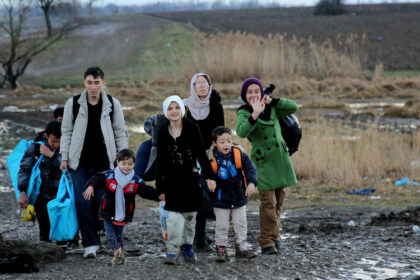
International organizations deliver vital humanitarian aid—including food, shelter, healthcare, and protection—to populations affected by crises. Working on the ground in partnership with local communities and governments, they ensure timely and effective assistance. The Red Cross and Red Crescent Movement, for example, responds to natural disasters, conflicts, and other emergencies to save lives and alleviate suffering.
4. Capacity Building and Technical Support
International organizations help countries strengthen their capacity to prevent, prepare for, and respond to crises. By providing technical assistance, training, and resources, they enhance institutional resilience and support disaster risk reduction efforts. The World Bank, for example, assists nations in building infrastructure and systems capable of withstanding shocks and recovering quickly from crises.
5. Conflict Mediation and Peacebuilding
International organizations play a critical role in mediating conflicts, promoting dialogue, and building lasting peace in post-conflict societies. They facilitate negotiations, support peacebuilding initiatives, and monitor peace agreements to prevent the resurgence of violence. The United Nations Peacebuilding Commission, for instance, works to consolidate peace and foster sustainable development in conflict-affected countries.
Conclusion:
In conclusion, international organizations are indispensable actors in addressing modern crises and advancing global cooperation for a more peaceful and sustainable world. Their diverse roles—spanning coordination, advocacy, humanitarian assistance, capacity building, and peacebuilding—help build resilience, protect vulnerable populations, and foster international solidarity in times of need. By working together across borders and sectors, these organizations can effectively confront the complex challenges of the 21st century and create a more inclusive and secure future for all.