



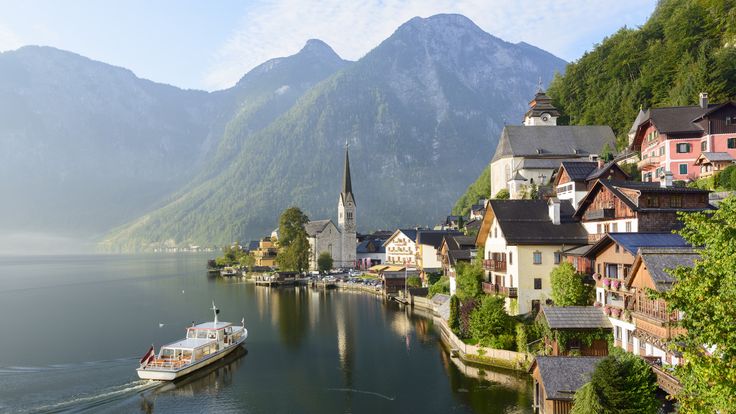
Europe is filled with iconic cities like Paris, Rome, and Amsterdam, but beyond these famous hotspots lie countless enchanting places waiting to be explored. If you’re searching for hidden destinations Europe has to offer, you’ll discover peaceful medieval towns, charming villages, dramatic mountain landscapes, and coastal gems that feel straight out of a storybook. These lesser-known locations provide authentic travel experiences, fewer crowds, and a deeper connection to local culture.
As travelers increasingly seek sustainable tourism and quieter escapes in 2026, many are choosing hidden gems Europe offers instead of overcrowded attractions. Whether you’re planning a romantic getaway, a photography adventure, or a relaxing vacation, these destinations deserve a place on your European travel bucket list.
Why Choose Hidden Destinations Europe for Your Next Trip?
Exploring lesser-known attractions allows travelers to experience Europe beyond the typical tourist routes. Smaller towns often preserve centuries-old traditions, authentic architecture, and welcoming communities that larger cities sometimes lose due to mass tourism.
Choosing hidden destinations Europe also means enjoying peaceful streets, scenic landscapes, locally owned restaurants, and affordable accommodations while supporting regional economies. These destinations often offer a more meaningful travel experience that blends history, nature, and culture.
Some reasons to explore offbeat Europe include:
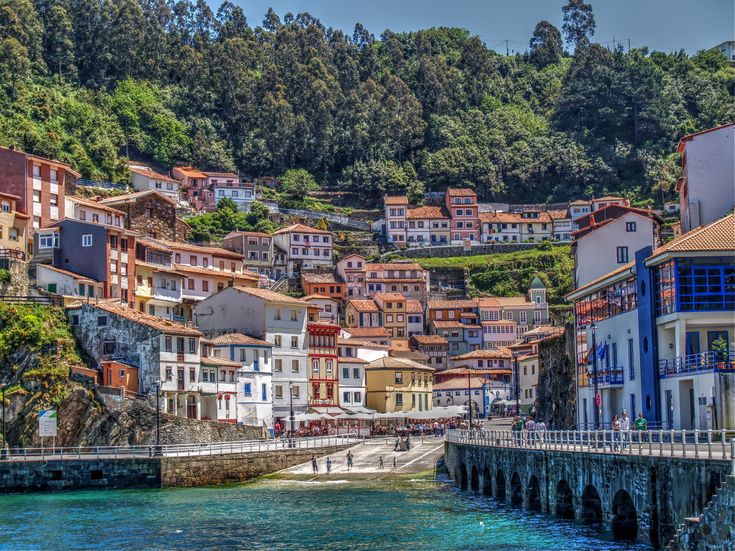
- Fewer crowds – Enjoy famous-quality scenery without long queues or overcrowded attractions.
- Authentic local culture – Experience traditional festivals, regional cuisine, and local hospitality.
- Affordable travel – Smaller towns often provide better value for accommodation and dining.
- Unique photography opportunities – Capture untouched landscapes and beautiful medieval architecture.
1. Hallstatt, Austria
Often called one of Europe’s most beautiful villages, Hallstatt sits beside a crystal-clear alpine lake surrounded by towering mountains. Although gaining popularity in recent years, it still maintains its peaceful charm outside peak travel seasons.
Visitors can stroll through colorful streets, explore historic churches, and enjoy panoramic viewpoints overlooking the lake.
Highlights include:
- Hallstatt Skywalk – Offers spectacular views across the village and surrounding mountains.
- Salt Mine Tours – Discover one of the world’s oldest salt mines with fascinating underground experiences.
2. Colmar, France
Located in the Alsace region, Colmar feels like a real-life fairytale with colorful timber-framed houses, flower-filled canals, and cobblestone streets.
The town beautifully combines French and German architectural influences while offering exceptional local cuisine and wine experiences.
Must-see attractions include:
- Little Venice District – A picturesque canal area filled with cafés and traditional houses.
- Old Town Walking Tour – Explore centuries-old streets lined with charming boutiques.
3. Český Krumlov, Czech Republic
This UNESCO World Heritage town is famous for its well-preserved medieval streets and impressive castle overlooking the Vltava River.
Walking through Český Krumlov feels like stepping into another century thanks to its historic buildings and artistic atmosphere.
Top experiences include:
- Český Krumlov Castle – One of Central Europe’s largest castle complexes.
- Historic Town Center – Perfect for exploring local culture, cafés, and artisan shops.
4. Giethoorn, Netherlands
Known as the “Dutch Venice,” Giethoorn replaces roads with peaceful canals connected by charming wooden bridges.
The village offers visitors a unique opportunity to travel by boat while enjoying quiet surroundings and beautiful gardens.
Popular activities include:
- Electric Boat Tours – Explore the village’s peaceful waterways.
- Cycling Around Giethoorn – Discover scenic countryside beyond the canals.
5. Kotor, Montenegro
Nestled between dramatic mountains and the Adriatic Sea, Kotor combines medieval history with breathtaking natural scenery.
Its fortified Old Town and UNESCO-listed architecture make it one of the finest hidden gems Europe offers.
Don’t miss:
- Kotor Fortress Hike – Stunning panoramic views over the Bay of Kotor.
- Old Town Squares – Discover historic churches, cafés, and local markets.
6. Albarracín, Spain
This pink-hued medieval town sits on a rocky hillside in eastern Spain and remains one of the country’s most overlooked treasures.
Narrow winding streets, ancient defensive walls, and preserved architecture create a magical atmosphere throughout the town.
Highlights include:
- City Walls Walk – Enjoy panoramic views across the surrounding valley.
- Historic Cathedral – A beautiful example of medieval Spanish architecture.
7. Dinant, Belgium
Set along the Meuse River, Dinant combines dramatic cliffs, colorful riverside buildings, and fascinating history.
The town is also known as the birthplace of Adolphe Sax, inventor of the saxophone.
Popular attractions include:
- Citadel of Dinant – Accessible by cable car with spectacular river views.
- River Cruises – Experience the beautiful valley from the water.
8. Bled, Slovenia
Lake Bled remains one of Europe’s most magical landscapes thanks to its emerald waters, island church, and medieval castle overlooking the lake.
Despite increasing recognition, it still provides peaceful natural beauty compared to many larger European destinations.
Recommended experiences:
- Traditional Pletna Boat Ride – Visit the famous island church.
- Bled Castle – Enjoy panoramic lake views and historical exhibits.
9. Civita di Bagnoregio, Italy
Often called “The Dying City,” this hilltop village is connected to the mainland by a pedestrian bridge and offers breathtaking views over central Italy.
Its ancient stone streets, quiet atmosphere, and preserved architecture create one of Europe’s most authentic travel experiences.
Highlights include:
- Historic Piazza – Relax among traditional cafés and artisan shops.
- Panoramic Walking Paths – Capture unforgettable countryside scenery.
10. Piódão, Portugal
Hidden within Portugal’s Serra do Açor mountains, Piódão is famous for its slate stone houses and peaceful surroundings.
Its remote location has helped preserve centuries-old traditions and authentic village life.
Visitors can enjoy:
- Mountain Hiking Trails – Explore scenic landscapes surrounding the village.
- Traditional Portuguese Cuisine – Taste regional specialties prepared by local restaurants.
Travel Tips for Exploring Offbeat Europe
Planning ahead allows travelers to enjoy these hidden destinations while respecting local communities.
Helpful travel advice includes:
- Travel during shoulder seasons – Spring and autumn offer pleasant weather and fewer visitors.
- Support local businesses – Choose family-owned hotels, cafés, and guided tours.
- Use regional transportation – Trains and buses often connect smaller towns efficiently.
- Respect local traditions – Learn basic cultural etiquette before visiting.
- Allow extra exploration time – Hidden villages reward slow and relaxed travel.
Why Hidden Gems Europe Are Becoming More Popular
Modern travelers increasingly prioritize authentic travel over crowded sightseeing. According to recent European tourism trends, smaller towns and rural destinations continue attracting visitors looking for meaningful cultural experiences and sustainable tourism options.
These quieter destinations preserve local traditions while offering opportunities to explore scenic landscapes, historic architecture, castle tours, and welcoming communities without overwhelming tourist crowds.
Frequently Asked Questions
1. What are the best hidden destinations Europe offers?
Hallstatt, Colmar, Kotor, Český Krumlov, Lake Bled, and Giethoorn are among Europe’s most beautiful lesser-known destinations.
2. When is the best time to visit hidden gems Europe?
Spring (April–June) and autumn (September–October) provide comfortable weather, lower prices, and fewer tourists.
3. Are these destinations suitable for family vacations?
Yes. Most offer family-friendly accommodations, outdoor activities, cultural attractions, and relaxed environments.
4. Which destination is best for medieval towns?
Český Krumlov, Albarracín, Kotor, and Civita di Bagnoregio feature exceptionally preserved medieval architecture.
5. Are hidden European destinations expensive?
Generally, they are more affordable than major tourist cities, especially regarding accommodation, dining, and local experiences.
6. Why should travelers consider offbeat Europe?
Offbeat Europe offers authentic local culture, quieter surroundings, scenic landscapes, unique attractions, and memorable travel experiences beyond crowded tourist hotspots.
Conclusion
Choosing hidden destinations Europe allows travelers to discover a side of the continent that many visitors never experience. From the lakeside beauty of Hallstatt and the colorful streets of Colmar to the peaceful canals of Giethoorn and the medieval charm of Český Krumlov, these remarkable locations prove that Europe’s true magic often lies beyond its famous capitals.
Whether you’re searching for hidden gems Europe, exploring offbeat Europe, enjoying castle tours, admiring scenic landscapes, or experiencing authentic local culture, these fairytale destinations promise unforgettable memories without overwhelming crowds.
Start planning your European adventure today! Add these remarkable places to your travel bucket list, explore beyond the ordinary, and experience the authentic beauty that makes Europe’s hidden treasures truly unforgettable.