



Here is the polished, publication-ready version of your article, with all placeholders removed and professional enhancements applied.
—
Title: How to Save Money Fast on a Low Income
Introduction:
Saving money can feel like an uphill battle, especially when you are working with a limited income. However, with the right strategies and a focused mindset, it is entirely possible to build your savings quickly. In this article, we will explore practical, actionable tips to help you save money fast—even when every dollar counts.
1. Track Your Expenses
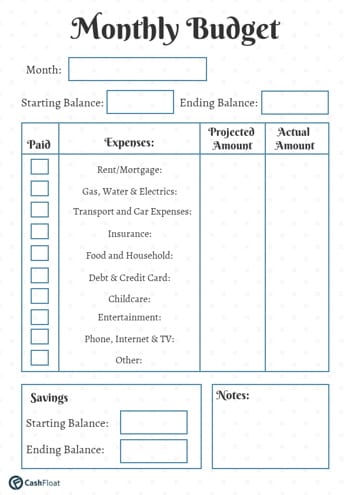
- Start by creating a realistic budget and diligently tracking your spending. This will help you pinpoint exactly where your money is going and where you can cut back.
- Use budgeting apps or simple spreadsheets to monitor your daily expenses. Over time, you will notice patterns that can be adjusted to free up more cash for savings.
- Identify non-essential items or services you can eliminate or reduce. Common culprits include dining out, unused subscription services, and impulse purchases.
- Look for cheaper alternatives or do-it-yourself solutions for items you regularly spend money on, such as coffee, lunches, or home maintenance.
- Take full advantage of sales, discounts, and coupons to lower your grocery and household bills.
- Compare prices across stores before making a purchase, and consider buying in bulk for frequently used items to save in the long run.
- Lower your electricity, water, and heating bills by being mindful of your daily usage.
- Unplug electronics when not in use, switch to energy-efficient appliances and light bulbs, and consider investing in a programmable thermostat to optimize your home’s energy consumption.
- Look for opportunities to supplement your primary income, such as taking on a part-time job, freelancing, or selling items you no longer need.
- Consider starting a side hustle or monetizing a skill or hobby—whether it’s tutoring, crafting, or writing—to generate extra cash for your savings goals.
- Set up automatic transfers from your checking account to a dedicated savings account. This “pay yourself first” strategy ensures you are consistently saving without having to think about it.
- To maximize your returns, consider opening a high-yield savings account or a Certificate of Deposit (CD) to earn more interest on your growing balance.
- Practice mindful spending by giving yourself time to consider whether a purchase is truly necessary.
- Implement a 24- to 48-hour waiting period before making any significant purchase. This simple habit can help prevent buyer’s remorse and keep more money in your pocket.
- Build an emergency fund to cover unexpected expenses—like car repairs or medical bills—without resorting to credit cards or loans.
- Aim to save at least three to six months’ worth of living expenses. Start small if needed; even a $500 cushion can make a significant difference.
2. Cut Unnecessary Expenses
3. Shop Smart
4. Reduce Utility Costs
5. Increase Your Income
6. Automate Your Savings
7. Avoid Impulse Purchases
8. Plan for Emergencies
Conclusion:
Saving money on a low income requires discipline, planning, and dedication. By tracking your expenses, cutting unnecessary costs, shopping smart, boosting your income, automating your savings, avoiding impulse buys, and preparing for emergencies, you can build your savings quickly and secure your financial future. Start implementing these tips today, and watch your savings grow—one smart choice at a time.