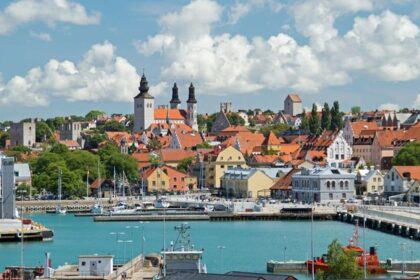




Planning your first European adventure can feel exciting and overwhelming at the same time. With dozens of countries, diverse cultures, different languages, and countless iconic landmarks, it’s natural to wonder where to begin. This Europe travel guide is designed to help first-time visitors navigate the continent with confidence, providing practical advice on visas, transportation, budgeting, packing, and itinerary planning for a smooth and memorable journey.
Whether you’re dreaming of strolling through the streets of Paris, exploring Italy’s historic cities, admiring Switzerland’s mountain scenery, or discovering the castles of Central Europe, your first trip to Europe can become an unforgettable experience with the right preparation. This guide covers the essential information every traveler should know before boarding their flight.
Why Use a Europe Travel Guide Before Your First Trip?
Europe is one of the world’s most visited regions, welcoming hundreds of millions of international tourists every year. Its excellent transportation systems, well-developed tourism infrastructure, and rich cultural diversity make it relatively easy to explore, even for first-time visitors.
However, understanding entry requirements, transportation options, budgeting, and local customs beforehand helps reduce stress and allows travelers to focus on enjoying their journey.
Some benefits of planning ahead include:

- Better itinerary planning – Organizing destinations before departure helps maximize sightseeing while reducing unnecessary travel time. A clear schedule also prevents last-minute confusion.
- Budget management – Researching accommodation, transportation, and attraction costs makes it easier to estimate travel expenses accurately. This helps avoid unexpected spending.
- Smoother transportation – Learning how trains, buses, metros, and flights operate allows travelers to move confidently between cities and countries.
- Greater cultural understanding – Familiarity with local customs and etiquette helps visitors interact respectfully while enhancing their overall travel experience.
Essential Travel Documents
Before beginning your journey, make sure all required travel documents are prepared well in advance.
Important travel essentials include:
- Passport – Ensure your passport remains valid for the required period beyond your planned departure date. Many European countries require several months of remaining validity.
- Schengen Visa – Travelers from certain countries may require a Schengen visa to visit participating European nations. Always check official embassy requirements before booking your trip.
- Travel Insurance – Comprehensive travel insurance protects against medical emergencies, trip cancellations, lost luggage, and unexpected travel disruptions. It provides valuable peace of mind throughout your journey.
- Digital and Printed Copies – Keep secure digital backups and printed copies of important documents, including passports, visas, insurance, and accommodation confirmations.
Planning Your First Trip to Europe
Thoughtful planning helps create a balanced itinerary without feeling rushed.
Helpful planning advice includes:
- Limit the number of destinations – Visiting fewer cities allows more time to experience local culture rather than constantly traveling. Quality often creates a better experience than quantity.
- Group nearby countries – Countries such as France, Belgium, the Netherlands, Germany, and Switzerland are well connected by rail, making travel more efficient.
- Allow flexible days – Leave room in your itinerary for spontaneous discoveries, local recommendations, or changing weather conditions.
- Book major attractions early – Popular landmarks often require advance reservations, especially during peak travel seasons.
Understanding Public Transport in Europe
One of Europe’s greatest strengths is its efficient transportation network.
Travelers can easily move between cities using high-speed trains, regional rail services, metro systems, trams, buses, and budget airlines.
Popular transportation options include:
- High-Speed Trains – Countries like France, Spain, Italy, and Germany offer fast rail connections between major cities. Train travel is comfortable, reliable, and environmentally friendly.
- Metro Systems – Most large cities provide affordable underground transportation that connects airports, tourist attractions, and neighborhoods efficiently.
- Regional Trains – Excellent for exploring smaller towns, countryside destinations, and scenic regions beyond major cities.
- Public Buses and Trams – Affordable options for short-distance travel within cities while providing access to attractions outside tourist centers.
Packing Tips for Europe
Packing efficiently makes every journey more comfortable, especially when changing hotels or using public transportation.
Recommended travel essentials include:
- Comfortable walking shoes – European cities often feature cobblestone streets and extensive walking routes. Good footwear significantly improves comfort.
- Layered clothing – Weather conditions vary across different countries and seasons. Lightweight layers provide flexibility throughout the trip.
- Universal travel adapter – Electrical outlets differ from many other regions, making an adapter essential for charging electronic devices.
- Reusable water bottle – Many European cities provide safe drinking water, allowing travelers to reduce plastic waste while saving money.
- Lightweight luggage – Smaller suitcases are easier to manage on trains, buses, and city streets.
Understanding European Culture
Europe’s cultural diversity is one of its greatest attractions.
Every country has unique traditions, cuisines, languages, and customs, making respectful travel especially important.
Helpful cultural tips include:
- Learn basic local greetings – Simple words like “hello” and “thank you” are appreciated by local residents. Small efforts often create positive interactions.
- Respect local etiquette – Dining customs, tipping practices, and public behavior vary between countries. Researching local traditions enhances your experience.
- Support local businesses – Family-owned restaurants, markets, and artisan shops provide authentic experiences while benefiting local communities.
- Take your time – European travel often emphasizes enjoying destinations slowly rather than rushing through sightseeing.
Currency Exchange and Budgeting
Managing money wisely helps travelers enjoy Europe without unnecessary financial stress.
Useful financial tips include:
- Use local currency when possible – Many countries use the Euro, while others maintain their own national currencies. Always verify accepted payment methods before traveling.
- Avoid airport exchange counters – Banks and ATMs often provide more favorable exchange rates than airport kiosks.
- Carry multiple payment options – Combining cards with a small amount of cash offers greater flexibility throughout the trip.
- Track daily expenses – Monitoring spending helps maintain your travel budget while avoiding surprises later.
Frequently Asked Questions
1. Is Europe a good destination for first-time international travelers?
Yes. Europe offers excellent transportation, tourist-friendly infrastructure, safe destinations, and diverse travel experiences suitable for beginners.
2. Do I need a Schengen visa?
It depends on your nationality. Travelers should always check official embassy or immigration websites before planning their trip.
3. What is the best way to travel around Europe?
High-speed trains, regional rail services, metro systems, and budget airlines provide efficient transportation across the continent.
4. How many countries should I visit on my first trip?
For a one- to two-week vacation, visiting two to four countries usually provides a comfortable pace without excessive travel.
5. Is travel insurance necessary?
Yes. Travel insurance provides important financial protection against medical emergencies, cancellations, delays, and lost baggage.
6. What should I pack for Europe?
Comfortable walking shoes, layered clothing, travel documents, a universal adapter, travel insurance details, and lightweight luggage are highly recommended.
Conclusion
Planning your first European adventure becomes much easier with a reliable Europe travel guide and thoughtful preparation. From understanding Schengen visa requirements and choosing the right public transport to following practical packing tips, arranging travel insurance, and creating a balanced itinerary, every step contributes to a smoother and more enjoyable journey.
Whether it’s your first trip to Europe or the beginning of many future adventures, embracing European culture, planning ahead, and traveling confidently will help you create unforgettable memories across one of the world’s most fascinating destinations.
Start planning your European journey today! Explore more destination guides, travel tips, and itinerary ideas to make your first European adventure in 2026 stress-free, exciting, and truly unforgettable.