



Here is the polished, publication-ready version of your article draft. All placeholder text has been removed, and the language has been refined for clarity, flow, and professional impact while preserving your original structure and Markdown formatting.
—
Title: Climate Diplomacy: Can Countries Really Work Together?
Introduction:
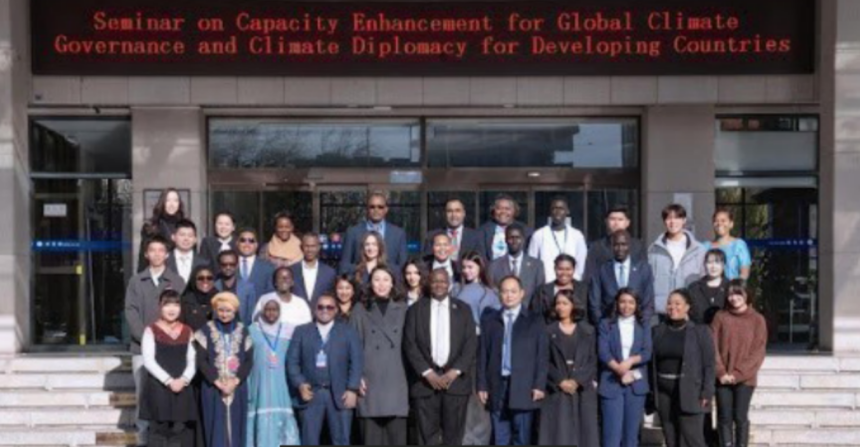
Climate change is a global crisis that demands collective action and cooperation from all nations. Climate diplomacy plays a crucial role in facilitating the international collaboration needed to address this pressing issue. But the question remains: Can countries truly work together effectively to combat climate change? This article explores the complexities of climate diplomacy, the challenges nations face in reaching agreements, and the potential for meaningful collaboration on a global scale.
Challenges in Climate Diplomacy:
- Divergent National Interests: One of the primary challenges in climate diplomacy is reconciling the divergent national interests of different countries. Developing nations often prioritize economic growth and poverty alleviation, while developed nations focus on reducing emissions and transitioning to renewable energy sources. Bridging this gap requires compromise and mutual understanding from all parties involved.
- Political Barriers: Political considerations can significantly hinder progress in climate negotiations. Domestic politics, changes in leadership, and shifting policy priorities can all impact a country’s commitment to climate action. Maintaining consistency in climate policies across different administrations is essential for long-term sustainability and trust.
- Equity and Justice: Climate change disproportionately affects vulnerable populations and marginalized communities. Ensuring equity and justice in climate agreements is critical for building trust among nations and fostering a shared sense of responsibility for addressing the impacts of climate change.
- Enforcement and Compliance: Even when countries agree to climate commitments, enforcing and monitoring compliance remains a significant challenge. Establishing robust mechanisms for tracking emissions, verifying progress, and holding nations accountable for their pledges is vital for the success of international climate agreements.
- Multilateral Agreements: International frameworks such as the Paris Agreement provide a platform for countries to come together and set collective goals for reducing greenhouse gas emissions. By committing to common targets and timelines, nations can work toward a shared vision of a sustainable future.
- Technology Transfer and Capacity Building: Developed countries can support developing nations in transitioning to clean energy technologies through technology transfer and capacity-building initiatives. By sharing knowledge and resources, countries can accelerate the global transition to a low-carbon economy.
- Financial Support: Climate finance plays a critical role in supporting adaptation and mitigation efforts in developing countries. By mobilizing funds for green projects and resilience-building measures, wealthier nations can support the most vulnerable communities and reduce the overall impact of climate change.
- Public-Private Partnerships: Collaboration between governments, businesses, and civil society organizations can drive innovation and scale up climate solutions. Public-private partnerships enable the sharing of expertise, resources, and best practices, leading to more effective climate action on a global scale.
Opportunities for Collaboration:
Conclusion:
Climate diplomacy is essential for fostering cooperation and enabling collective action on climate change. While countries face numerous challenges in reaching consensus and implementing climate agreements, the potential for meaningful collaboration remains high. By addressing the barriers to cooperation, leveraging opportunities for collaboration, and prioritizing equity and justice in climate negotiations, nations can work together toward a sustainable and resilient future for all. Only through collective effort and shared commitment can we effectively combat climate change and safeguard the planet for future generations.