



Here is the polished, publication-ready version of your article. All placeholder text has been removed, and the language has been refined for clarity, flow, and professionalism while preserving your original structure and Markdown formatting.
—
Title: How to Save Money Fast on a Low Income
Introduction:
Saving money can be a challenging task, especially when you are living on a low income. However, it is not impossible. With strategic planning and discipline, you can start building your savings even with limited financial resources. In this article, we will explore practical tips and techniques to help you save money fast on a low income.
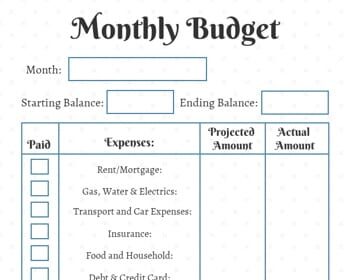
1. Create a Budget
The first step toward saving money on a low income is to create a budget. List all your expenses, including fixed costs like rent, utilities, and groceries, as well as discretionary spending on entertainment and dining out. Differentiate between needs and wants to prioritize essential expenses.
2. Cut Unnecessary Expenses
Identify areas where you can cut back on spending. This could mean reducing how often you dine out, canceling unused subscriptions, or finding cheaper alternatives for everyday items. Small changes in your spending habits can add up over time and contribute to significant savings.
3. Increase Your Income
Consider ways to boost your income, such as taking on a part-time job, freelancing, or selling items you no longer need. Every extra dollar you earn can be directed toward your savings goals.
4. Set Realistic Savings Goals
Establish clear savings goals to keep yourself motivated. Whether you are building an emergency fund, saving for a specific purchase, or planning for retirement, having a target in mind will help you stay focused on your financial objectives.
5. Automate Your Savings
Set up automatic transfers from your checking account to your savings account. This way, you can save a portion of your income before you have a chance to spend it. Treat your savings like a non-negotiable expense to ensure consistency in building your nest egg.
6. Embrace Frugality
Adopt a frugal lifestyle by finding ways to save money on everyday expenses. Look for discounts, buy in bulk, use coupons, and shop during sales to stretch your dollars further. Cook at home, pack your lunch, and opt for free or low-cost entertainment options.
7. Avoid Impulse Purchases
Practice mindful spending by avoiding impulse purchases. Before making a purchase, ask yourself if it aligns with your financial goals and if it is truly necessary. Delay gratification on non-essential items and prioritize saving over instant satisfaction.
8. Monitor Your Progress
Regularly review your budget and track your progress toward your savings goals. Celebrate small victories along the way to stay motivated and committed to your financial plan. Adjust your budget as needed to accommodate changes in income or expenses.
Conclusion:
Saving money on a low income requires discipline, determination, and strategic planning. By creating a budget, cutting unnecessary expenses, increasing your income, setting realistic goals, automating your savings, embracing frugality, avoiding impulse purchases, and monitoring your progress, you can start building your savings quickly. Remember that every dollar saved brings you one step closer to financial stability and security. Start implementing these tips today and watch your savings grow over time.