




Here is the polished, publication-ready version of your article, with all placeholders removed and the content refined for a professional WordPress blog.
—
Title: Mastering SEO-Optimized Blog Posts: A 7-Step Guide to Boosting Traffic and Engagement
As an expert content creator and SEO specialist, it is crucial to understand the importance of creating high-quality, SEO-optimized blog posts that not only engage readers but also rank well in search engine results. In this comprehensive guide, we will delve into seven key topics to help you master the art of writing SEO-optimized blog posts.

1. Understanding SEO and Its Importance
Search Engine Optimization (SEO) is the practice of optimizing your content to rank higher in search engine results pages (SERPs). By incorporating relevant keywords, optimizing meta tags, and creating high-quality content, you can increase your visibility and drive organic traffic to your website. A solid understanding of SEO fundamentals is the foundation of any successful content strategy.

2. Keyword Research and Optimization
Keyword research plays a vital role in SEO. Start by identifying relevant keywords related to your topic using tools like Google Keyword Planner or SEMrush. Incorporate these keywords strategically throughout your blog post, including in the title, headings, meta descriptions, and body content. Remember to maintain a natural flow and avoid keyword stuffing. The goal is to write for your audience first, while signaling relevance to search engines.

3. Creating Engaging Content
Engaging content is key to keeping readers on your page and encouraging them to take action. Start by writing a captivating introduction that hooks readers and clearly outlines what they can expect from the post. Use subheadings to break up the content and make it easier to read. Incorporate visuals, such as images, infographics, and videos, to enhance the user experience. High engagement signals to search engines that your content is valuable.
4. Optimizing Meta Tags and URLs
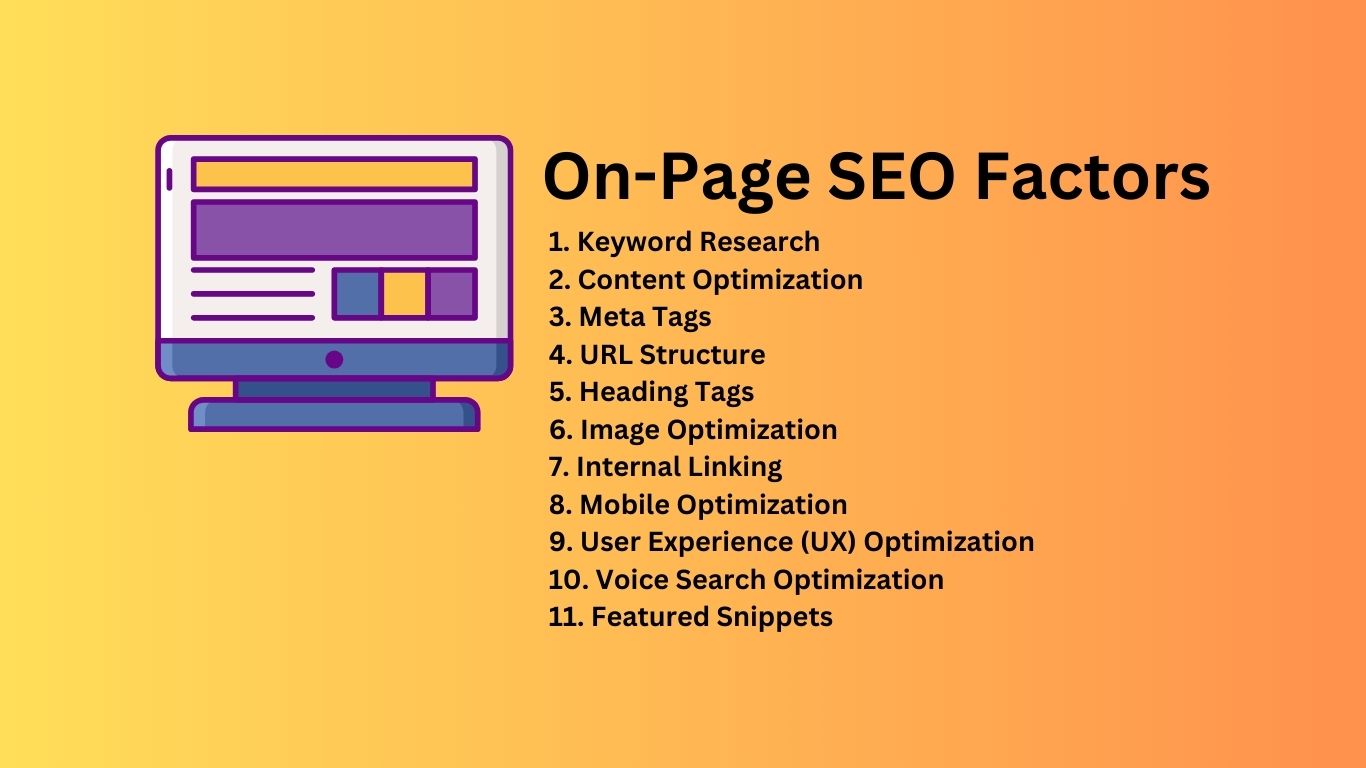
Meta tags, including meta titles and descriptions, are essential for SEO. Craft a compelling meta title that includes your primary keyword and entices users to click. Write a concise meta description that summarizes the content and includes relevant keywords. Additionally, ensure your URLs are SEO-friendly by including keywords and keeping them concise and descriptive. These elements serve as your content’s first impression in search results.

5. Internal and External Linking
Internal linking helps search engines understand the structure of your website and can improve the user experience by guiding readers to related content. Include internal links to relevant pages within your website. External linking to authoritative sources can also boost your credibility and improve SEO. Be sure to use descriptive anchor text for both internal and external links, as this provides context for both users and search engine crawlers.
6. Optimizing for Mobile and Voice Search
With the rise of mobile and voice search, it is crucial to optimize your content for these platforms. Ensure your website is mobile-responsive and loads quickly on all devices. Use natural language and a conversational tone in your content to cater to voice search queries. Consider creating FAQ sections to target featured snippets and answer common user questions. This approach helps you capture traffic from the growing number of users who search hands-free.
7. Measuring and Analyzing Performance
Tracking the performance of your blog posts is essential for understanding what resonates with your audience and optimizing future content. Use tools like Google Analytics to monitor traffic, engagement metrics, and keyword performance. Analyze this data to identify trends, make informed decisions, and continuously improve your SEO strategy. Regular analysis turns guesswork into a data-driven growth plan.
Conclusion
Mastering the art of writing SEO-optimized blog posts requires a combination of keyword research, engaging content creation, technical optimization, and performance analysis. By following these seven key topics and implementing best practices, you can enhance your online visibility, attract more organic traffic, and achieve your SEO goals. Remember to stay updated on the latest SEO trends and continuously refine your strategy to stay ahead of the competition.
—
Ready to put these strategies into action? Start with a solid keyword plan, and build from there.