



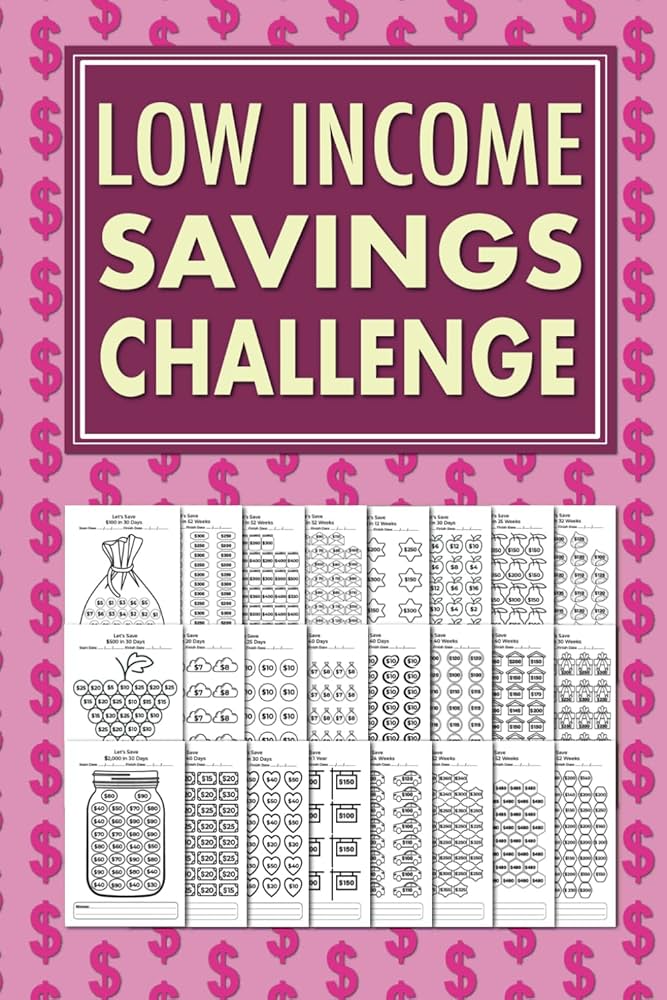
Here is the polished, publication-ready version of your article. All placeholder text has been removed, and the language has been refined for clarity and professionalism while preserving the original structure and Markdown formatting.
—
Title: How to Save Money Fast on a Low Income
Introduction:
Saving money can be a challenging task, especially when you are living on a limited income. However, with the right strategies and mindset, it is possible to build a savings fund even on a low income. In this article, we will explore practical tips and techniques to help you save money fast and secure your financial future.
1. Create a Budget
The first step in saving money is to create a budget that outlines your income and expenses. By tracking where your money is going, you can identify areas where you can cut back and save more. Allocate a portion of your income to savings each month to ensure you are building a financial cushion for emergencies or future goals.
2. Cut Unnecessary Expenses
Identify non-essential expenses that you can reduce or eliminate to free up more money for savings. This could include dining out less, canceling subscription services, or finding more affordable alternatives for daily expenses. Small changes in your spending habits can add up over time and contribute significantly to your savings.
3. Increase Your Income
Consider finding ways to increase your income, such as taking on a part-time job or freelancing gigs. Alternatively, you can explore opportunities for career advancement or seek higher-paying job options. By boosting your income, you can accelerate your savings growth and achieve your financial goals faster.
4. Automate Your Savings
Set up automatic transfers from your checking account to a savings account each month. By automating your savings, you ensure that a portion of your income goes directly into savings without the temptation to spend it elsewhere. This method helps you build discipline in saving and ensures consistent progress toward your financial goals.
5. Shop Smart and Use Coupons
Be mindful of your spending habits and look for ways to save money on everyday purchases. Use coupons, discounts, and cashback offers to stretch your dollars further. Compare prices before making a purchase and opt for generic or store-brand products to save on essentials. Additionally, consider buying in bulk or taking advantage of sales to stock up on items you regularly use.
6. Prioritize Debt Repayment
If you have outstanding debts, prioritize paying them off to reduce interest charges and free up more money for savings. Focus on high-interest debts first and consider consolidating or refinancing loans to lower your overall interest payments. By reducing your debt burden, you can redirect those funds toward building your savings.
7. Set Financial Goals
Establish clear financial goals that motivate you to save money and stay on track. Whether it is building an emergency fund, saving for a vacation, or planning for retirement, having specific goals helps you stay focused and disciplined in your saving efforts. Break down your goals into smaller milestones and celebrate your progress along the way.
Conclusion:
Saving money on a low income requires discipline, determination, and smart financial planning. By following these practical tips and techniques, you can build a strong financial foundation and secure your future. Start small, stay consistent, and watch your savings grow over time. Remember, every dollar saved brings you one step closer to financial stability and peace of mind.